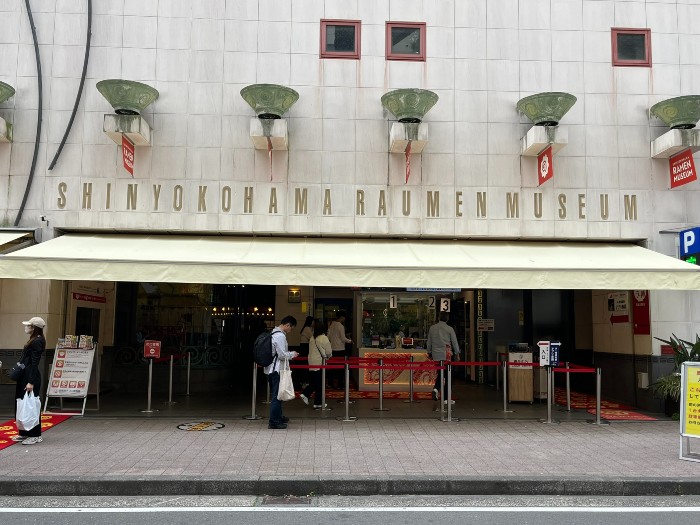
Recently on an unusually cool May afternoon I was feeling peckish, and decided it was time for a ramen lunch. I knew just the place, a den of ramen that I had not explored before - the Ramen Museum in Shin Yokohama.
According to their website, "The Ramen Museum started with the concept of being able to eat ramen from all over Japan without having to take a plane." In the early 1990s the creation of this museum was part of the plan to revitalize Shin-Yokohama.
I was not sure what to expect exactly, even after looking at their website. I had time on my hands, and so off I went to Shibuya Station to pick up the Tokyu Shin-Yokohama Line heading towards points west. The museum is a short walk from Shin Yokohama Station.
As of this writing the cost for an adult to enter was 400 yen. On the first floor I was greeted by a plethora of exhibits that explain how ramen initially came to Japan from China, and how the Japanese, over time, tweaked the recipe to their tastes. I read about each type of ramen, such as miso, shio, shoyu, and tonkotsu, and when and how they came to be.
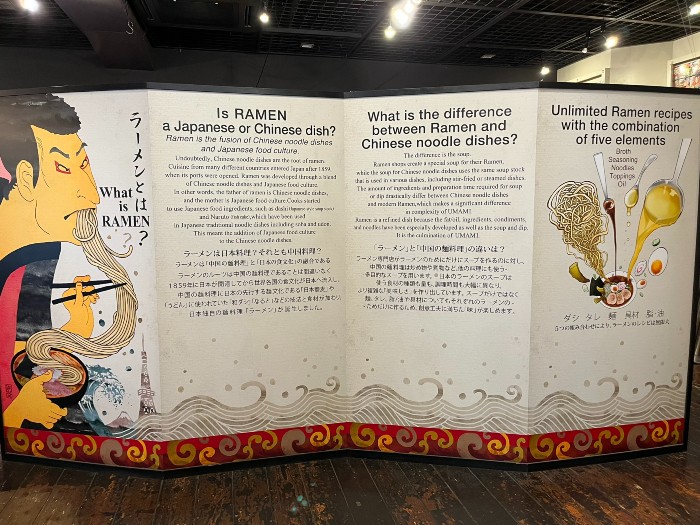
It was interesting to learn that the opening of Japan to foreign commerce in 1859, as explained in the lesson Engaging Yokohama, The City of Harbor Lights, was the event that enabled the roots of ramen to be brought into the country from China. This era saw many Chinese restaurants open in Japanese cities, with noodles in broth, at the time known as shina soba or chuka soba, being one of the more popular dishes on the menu.
The word "ramen" is a Japanese translation of the Mandarin word lamian (拉麵), or "pulled noodles". The specific word "ramen" was first coined and popularized in Japan beginning in 1928.
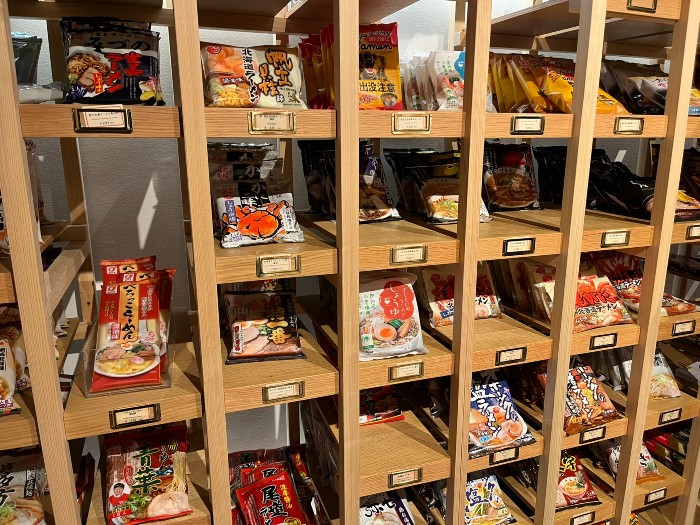
Fast forward to after WW2, when many Japanese returning from the war in China opened noodle restaurants using recipes that were brought from China. The rest is history, and so rather than me detailing it for you here, I urge you to go to the museum and check it out firsthand.
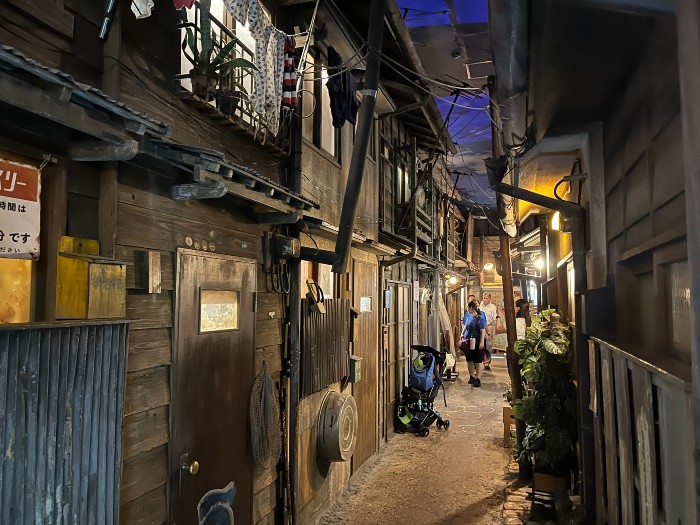
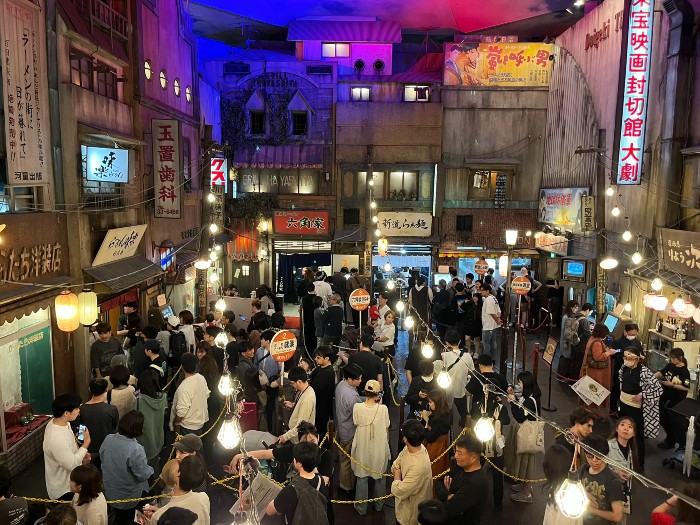
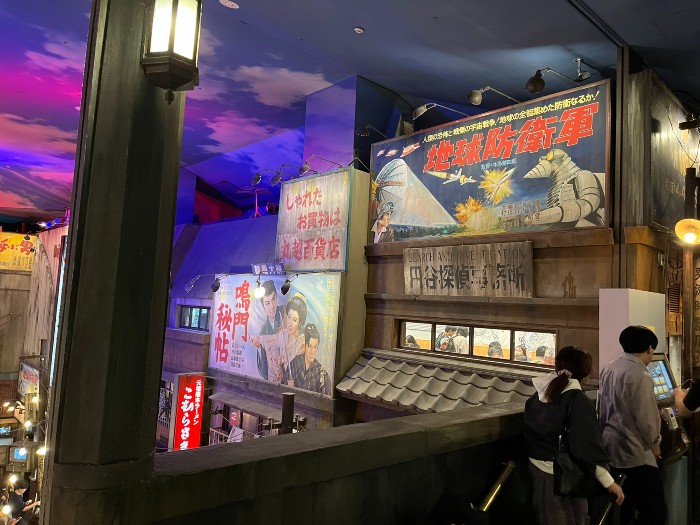
One thing I found particularly unique about the ramen museum is that you can actually have a bowl of ramen for lunch! There is a whole level downstairs that has been recreated as an old Japanese town, with building facades and shops from the old days. I counted six ramen restaurants open for business, and all of them had long lines in front of them. It was a Sunday so perhaps that explains the crowd.
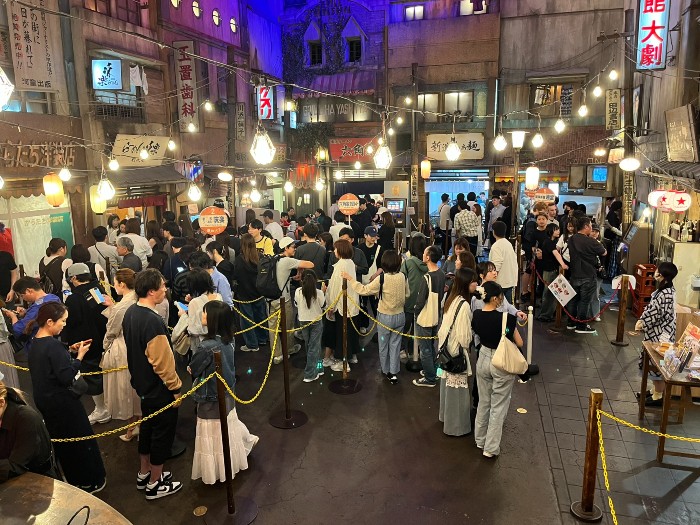
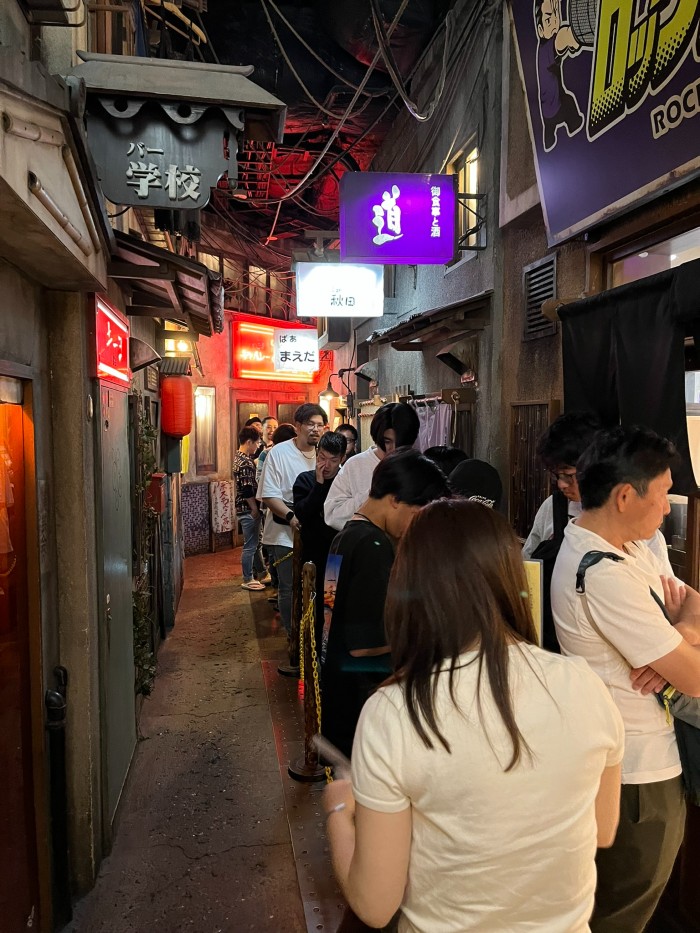
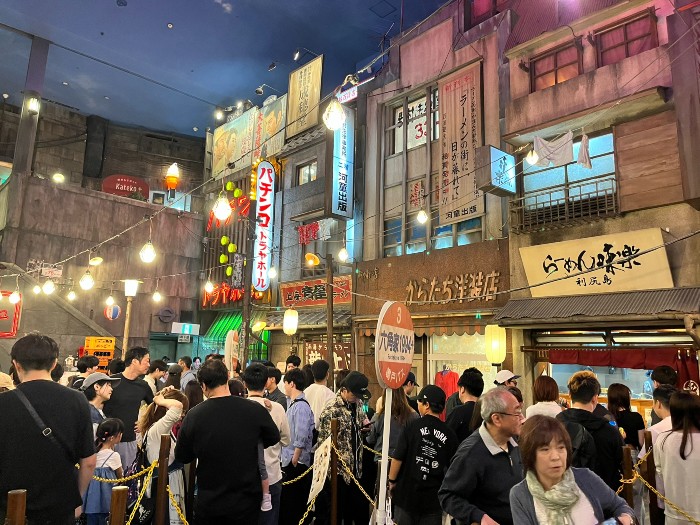
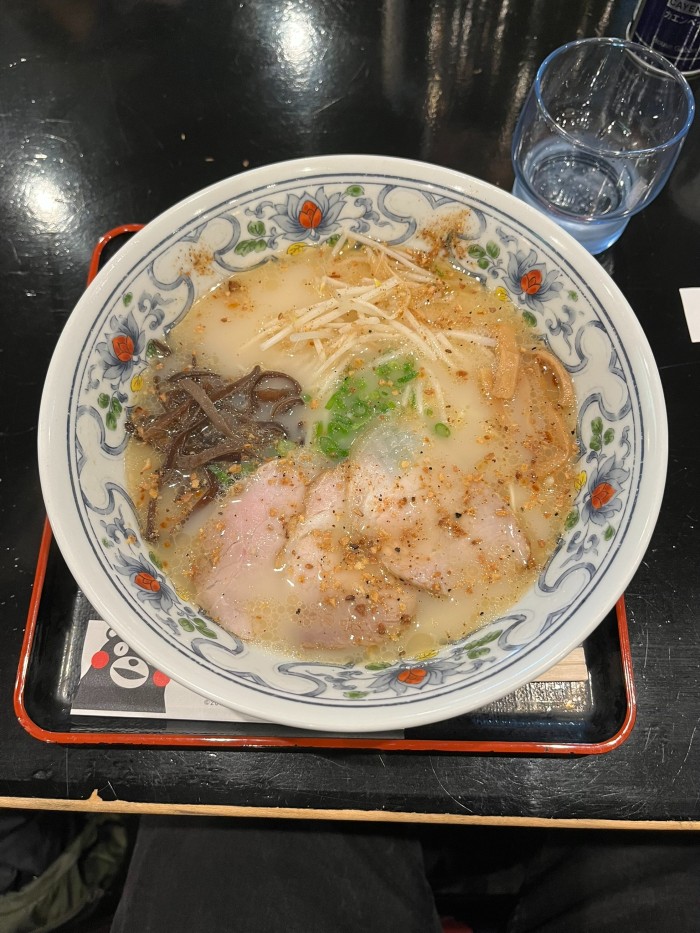
So I got in line at #6, which was called Komurasaki, the originator of Kumamoto-style ramen. Originally established in 1954, Komurasaki is famous for its tonkotsu (pork bone) and chicken broth, straight noodles, and signature topping of crisp, stir-fried garlic chips. I had been wanting to have tonkotsu ramen since I arrived in April, so this was my chance! And so for 900 yen I had the regular size bowl, and it was truly delicious!
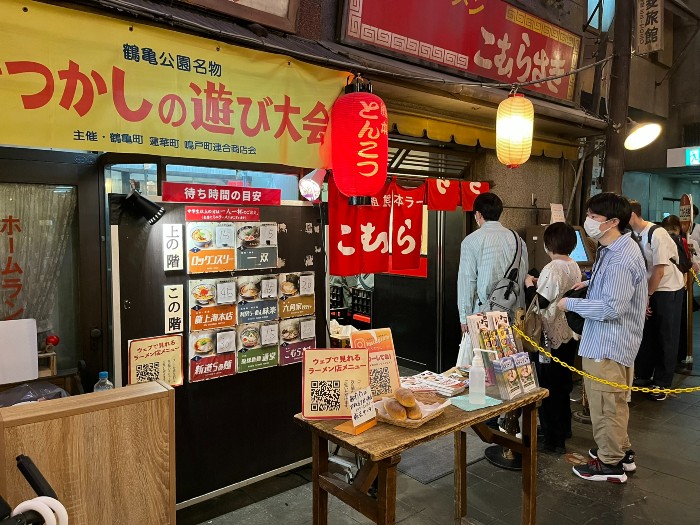
There are five other legendary restaurants recreated on this site for you to try, each with its own unique recipes. I for one will be coming back soon for another tasty ramen lunch.
Location
Vocabulary
Flash Card Drill-
The city plans to revitalize the old shopping district.その市は古い商店街を活性化する計画を立てています。
-
New festivals were introduced to revitalize the local economy.地域経済を活性化するために新しい祭りが導入されました。
-
The museum has a plethora of interesting exhibits.その博物館には数多くの興味深い展示があります。
-
There is a plethora of choices on the menu.メニューには数多くの選択肢があります。
-
Each ramen shop has a unique flavor.それぞれのラーメン店にはユニークな味があります。
-
Her idea was unique and creative.彼女のアイデアはユニークで創造的でした。
-
The museum recreated an old Japanese town.その博物館は昔の日本の町を再現しました。
-
The film recreates life in the 1950s.その映画は1950年代の生活を再現しています。
-
The restaurant is legendary for its spicy broth.そのレストランは、辛いスープで伝説的です。
-
We visited a legendary music venue in the city.私たちはその街にある伝説的な音楽会場を訪れました。
Quizzes
What did you think of this lesson?
Ask a question or share a thought — I read every one.