Introduction.
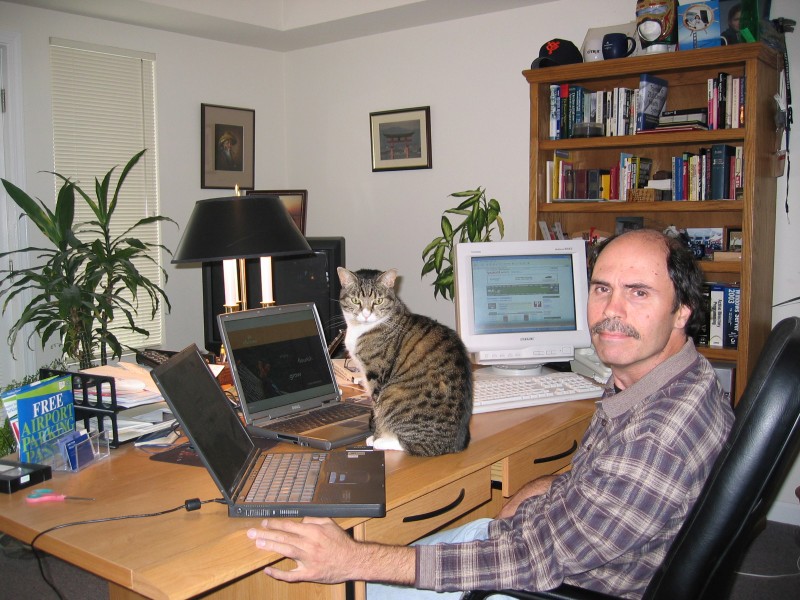
Personal Computers (PC) are a class of computers that are used by individuals for their own personal or business work. Though a PC can be shared with others, it is most commonly used by one individual. Often very confidential information is stored on a PC such as pictures, tax returns, home budgeting spreadsheets, and the like. PCs can be found in multiple settings, such as the home, the office, or public institutions such as libraries or commercial locations such as retail stores and warehouses.
Technically, a personal computer is a standalone device that runs its own operating system, and runs the software applications that are installed. It does not require a network, or Internet connectivity, to function.
Personal computers come in a few shapes and sizes. There are towers, mini-boxes, all-in-one PC-and-monitor combos, laptops, and even tiny PC-on-a-thumb-drive models. A full-size tower model will be the most extensible of them all. This means that you can upgrade the memory, persistent storage, network interface hardware, and even the CPU itself in some models. Generally, the smaller the form factor, the less power and expansion flexibility it has.
Worldwide, at the end of 2019, 49% of households owned a personal computer. PC ownership has increased roughly 2% every year since 2005, when it was at 27%. In 2017, the country with the highest PC ownership per capita was Switzerland (65), followed by the USA (57) and Sweden (51).
Vocabulary
Flash Card Drill-
My old personal computer was a Windows machine. Now I have a MacBook.私の古いパソコンはWindowsマシンでした。今はMacBookを持っています。
-
The first personal computer was made by IBM.最初のパーソナルコンピューターはIBMによって作られました。
-
Computers are becoming faster and faster every year.コンピューターの処理速度は年々速くなっています。
-
The most used application on a personal computer is the browser.パソコンで最もよく使用されるアプリケーションはブラウザです。
-
My favorite game app on a PC is Civilization VI.PCで私のお気に入りのゲームアプリはCivilization VIです。
-
I have a spreadsheet of all my retirement calculations.私はすべての退職用見積りのスプレッドシートを持っています。
-
I backed up all my important documents to my thumb drive.すべての重要なドキュメントをサムドライブにバックアップしました。
-
Should I encrypt my thumb drive before storing data on it?データを保存する前にサムドライブを暗号化する必要がありますか?
-
A personal computer is a standalone device that does not require a network, or Internet connectivity, to function.パーソナルコンピュータはスタンドアロンデバイスであり、機能するためにネットワークやインターネット接続を必要としません。
-
Millions of people browse the Internet every day.何百万もの人々が毎日インターネットを閲覧しています。
-
If the Internet went down for an extended period of time, the world would go crazy!もしもインターネットが長期間ダウンしたら、世界中気が狂ってしまうでしょう!
-
Computer hardware becomes cheaper and cheaper every year.コンピューターのハードウェアは、毎年ますます安くなっています。
-
Regarding computer CPU hardware, Moore's Law states that number of transistors on a microchip doubles every two years, though the cost of computers is cut in half.コンピューターのCPUハードウェアに関して、ムーアの法則では、マイクロチップのトランジスタの数は2年ごとに2倍になりますが、コンピューターのコストは半分になります。
-
The new computer I bought does not have network connectivity yet.購入した新しいコンピューターには、まだネットワーク接続がありません。
-
A tower is a computer case which arranges the internal components vertically.タワーは、内部コンポーネントを垂直に配置するコンピュータケースです。
-
Well, that information is confidential, so I can't share it with you yet. Maybe next week.さて、その情報は機密情報なので、まだあなたと共有することはできません。多分来週にはできるでしょう。
-
My laptop battery suddenly died, so I lost the document I was working on.ラップトップのバッテリーが突然切れたため、作業中のドキュメントを失いました。
-
The personal computer I have at the office is extensible, so I will be able to use it for a long time\.私がオフィスに持っているパソコンは拡張性があるので、長く使えるようになります。
-
I wanted to upgrade my PC operating system but I have to pay a license fee first.PCオペレーティングシステムをアップグレードしたかったのですが、最初にライセンス料を支払う必要があります。
-
My MacBook comes with the macOS version 10.14, which is called Mojave.私のMacBookには、Mojaveと呼ばれるmacOSバージョン10.14が付属しています。
-
I have an old Windows Vista OS that needs an upgrade to Windows 10. Should I upgrade it or just buy a new computer?Windows 10へのアップグレードが必要な古いWindows Vista OSがあります。アップグレーした方がいいか、それとも新しいコンピューターを購入した方がいいですか?
-
They broadcast the speech on a huge monitor so everybody could watch.彼らは誰もが見ることができるように巨大なモニターでスピーチを放送しました。
-
I connected my new laptop to the network, and was immediately able to access the Internet.新しいラップトップをネットワークに接続すると、すぐにインターネットにアクセスできるようになりました。
-
The software industry is doing very well in 2020, especially companies like Microsoft and Oracle.ソフトウェア業界、特にマイクロソフトやオラクルなどの企業は、2020年に非常に好調です。