One morning in late October I boarded the Chuo Line from my home base at Mitaka, and headed west. I wanted to revisit Takao, and check out some things that I had missed in previous trips.
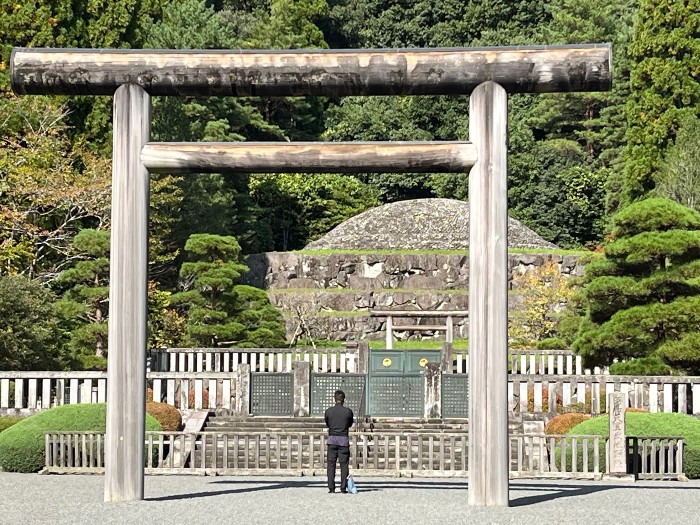
Oddly, the best place to get off the train is not Takao Station. It's Takaosanguchi Station. But that is with one caveat. If you are interested in seeing the Mausoleum of Emperor Shōwa (known during the war as Hirohito), you will need to get off at Takao and ready yourself for a 20 minute hike. I did this on a separate trip because for me, I can only handle one hike a day (at my advanced age!).
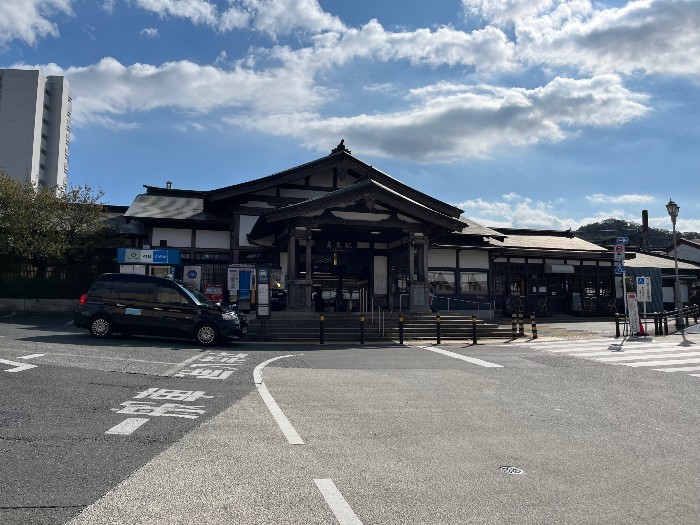
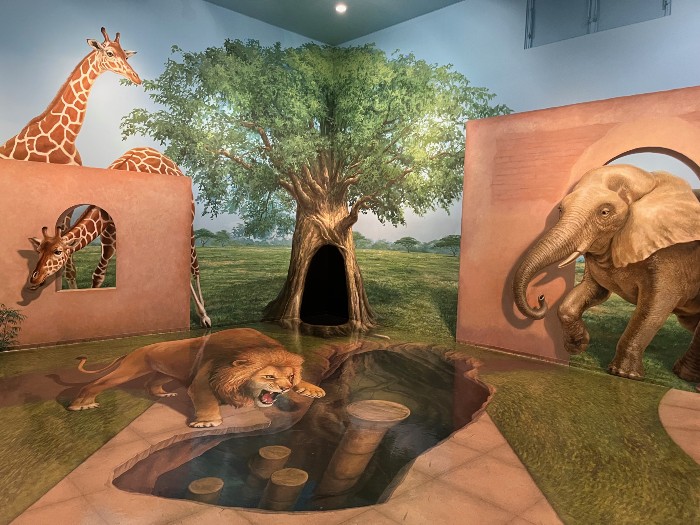
Otherwise, you'll switch trains at Takao Station for the Keio-Takao Line and get off at Takaosanguchi Station. There, right across the street from the station, your eye will undoubtedly be caught by the Mount Takao Trick Art Museum. I was curious about it on this trip so I dished out 1500 yen to find out what it was all about. Well, it was a bit like a maze, and definitely targeted at kids and teens, so take heed lest you get sucked into its vortex and get lost trying to get out as I did.

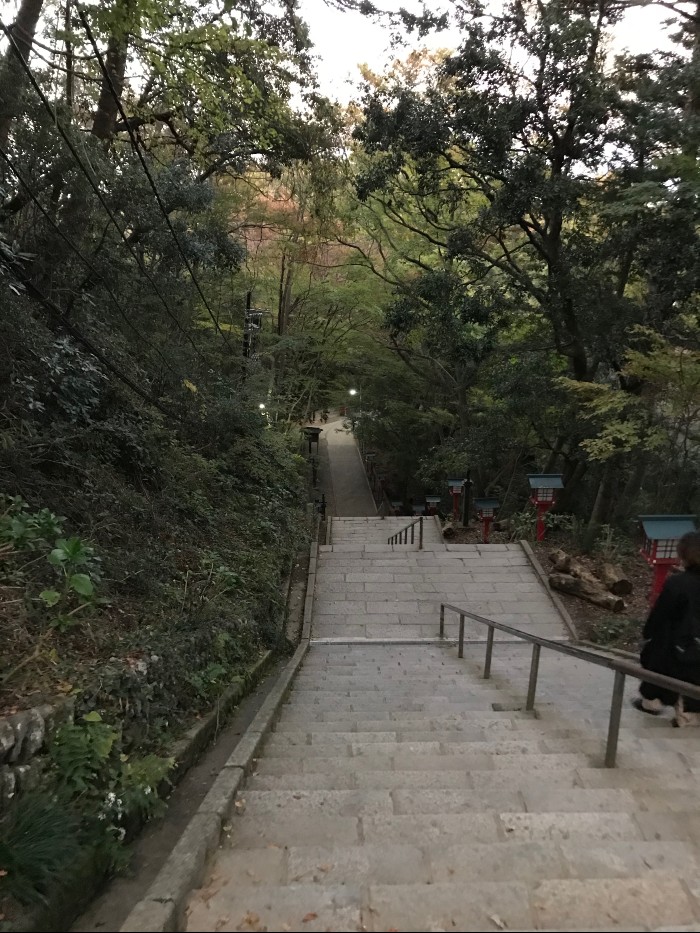
But I digress. My primary goal on this day was to walk the Takao trail #1, which is the main destination for most visitors. The mountain's trails are numbered, with the #1 trail the longest and most popular. To get there, I wanted to take the cable car or the chair lift at Kiyotaki Station up to the mountain side in order to avoid the long, uphill climb.
On my way I made a quick stop at the TAKAO 599 MUSEUM, which is a visitor center of sorts. It is a little free museum that focuses on the creatures large and small that inhabit Mt. Takao. Incidentally, the number 599 in the name of this museum is the actual height of the mountain in meters.
When I arrived at Kiyotaki station I made an executive decision to ride the chair lift instead of the cable car. Yes, the pretty yellow cable car looks so cute, but I knew the chair lift would be much more fun and even a bit dangerous, which is exciting, right?
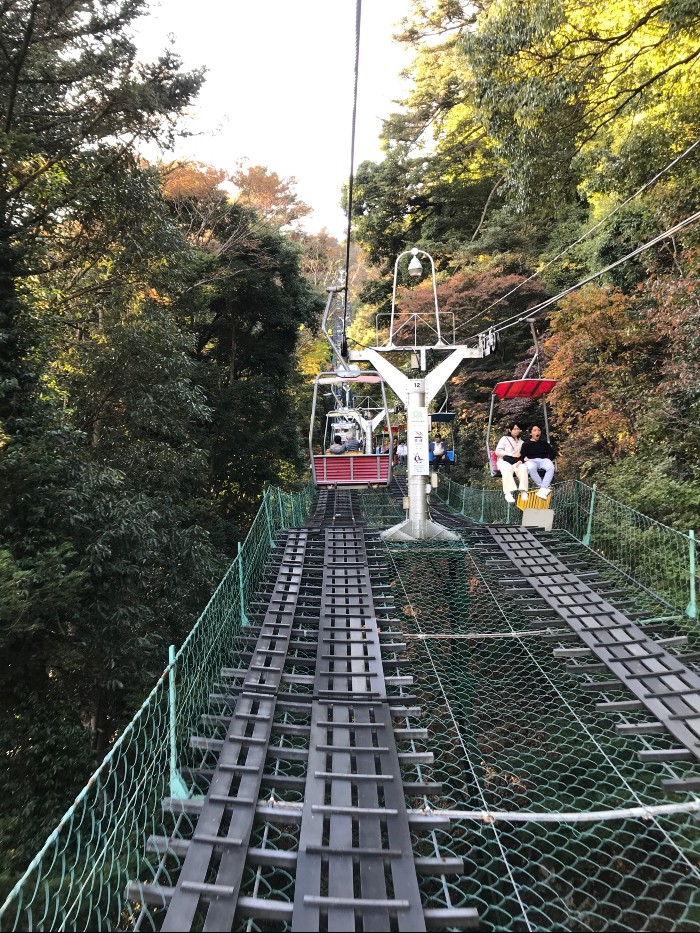
Anyway, I got up to Takaosan Station at the top of the hill, and made my way to the main trail.
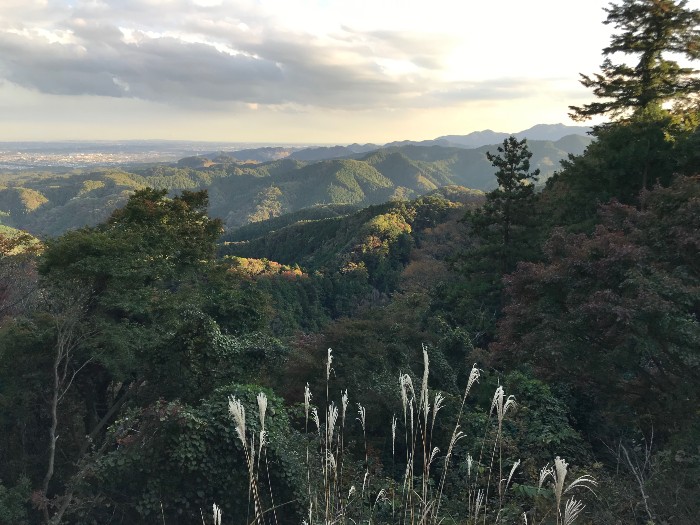
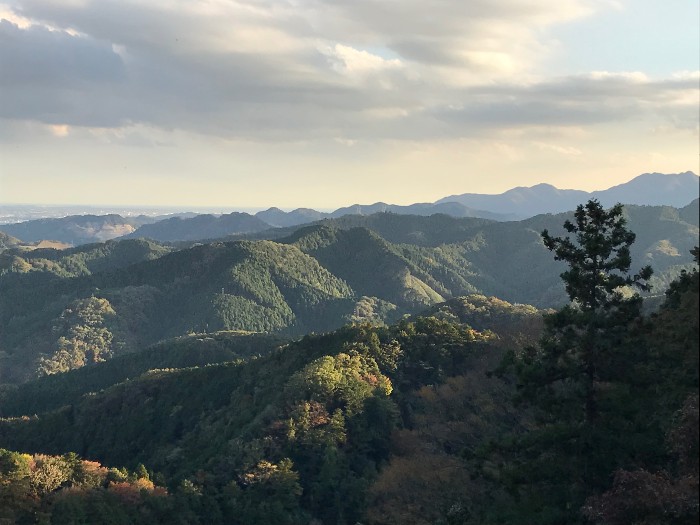
So what is there to see? Well, right near Takaosan Station there is an observation deck, from which you can see the rolling hills of trees and the town in the valley below.
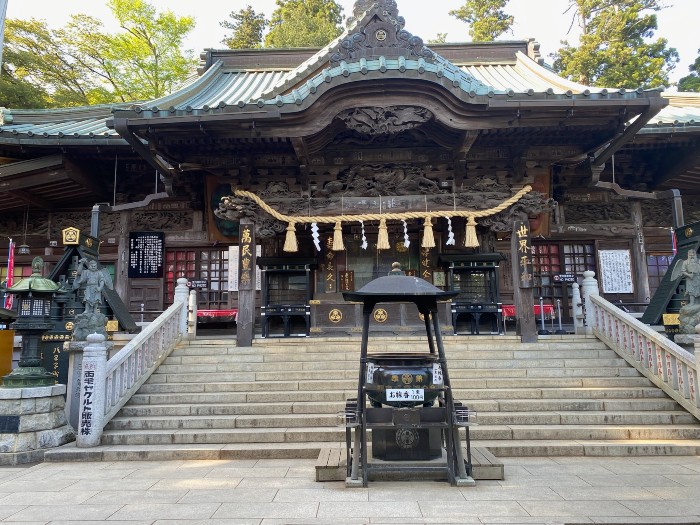
But the mountain temples are the real attraction, dating back 1,000 years. The main spiritual focal point is Yakuo-in, a temple established in the year 744 by Emperor Shomu. Yakuo-in is the head temple for the mountain asceticism practice of Shugendō, a form of mountain asceticism that blends Shinto, Buddhist, and local folk beliefs.
Asceticism is the practice of strict self-denial and austerity, often for spiritual or personal discipline. It involves renouncing worldly pleasures to achieve a higher spiritual or intellectual state. (Okay, I confess, I had to look that one up.)
Worship of tengu, mythical mountain spirits believed to be messengers of the gods, is also a key part of the sect. Tengu are often depicted with a long nose or a crow's beak and are seen as guardians who can bring good fortune. You'll see the statues of tengu at each of the temples on Mount Takao, guarding the temple with fierce poses.

There are a number of festivals held at Mount Takao throughout the year. The most popular one is the Autumn Leaves Festival, or Kōyō Matsuri, which features above all the turning of the leaves. It begins in late October and ends in mid-December. I think the best time for kōyō viewing is towards the middle to end of November.
A final quick note about getting here. Hop on the Chuo Line heading west towards Tachikawa. You'll have to pay attention to which train you board, as some of them go to Ome, and others go towards Hachioji. You'll want the Hachioji train. Once you get to Takao station, you'll need to change trains to board the Keio-Takao Line towards Takaosanguchi Station, which is the last stop. Alternatively, you can take the Keio Line going west past Shinjuku to the end of the line. From Takaosanguchi, using your handy smartphone map, head towards the Takaosan Cable Car at Kiyotaki Station. Happy climbing!
位置
単語
フラッシュカードドリル-
There is one caveat before you start the hike.ハイキングを始める前に一つ注意点があります。
-
The plan sounds good, with one caveat.その計画は、ただし一つ注意点があります。
-
We visited the mausoleum of the emperor.私たちは天皇の陵墓を訪れました。
-
The mausoleum is located on a hillside.その陵墓は丘の斜面にあります。
-
We went on a hike in the mountains.私たちは山へハイキングに行きました。
-
That trail is a difficult hike.その登山道は難しいハイキングです。
-
We stopped at the visitor center to get a map.私たちは地図をもらうためにビジターセンターに立ち寄りました。
-
The visitor center has free information about the mountain.そのビジターセンターには山に関する無料の案内があります。
-
We rode the chair lift to the top of the hill.私たちはチェアリフトで丘の頂上まで登りました。
-
The chair lift was more exciting than the cable car.そのチェアリフトはケーブルカーよりもわくわくしました。
-
From the observation deck, we could see the whole city.展望台からは街全体が見えました。
-
The observation deck offers a beautiful view of the valley.その展望台からは谷の美しい景色を楽しめます。
-
The monk practiced asceticism for many years.その僧は何年も禁欲の生活を実践しました。
-
Asceticism can be part of a religious practice.禁欲は宗教的修行の一部であることがあります。
-
The temple had a statue of a tengu near the gate.その寺には門の近くに天狗の像がありました。
-
In old stories, tengu are powerful mountain beings.昔話では、天狗は力の強い山の存在として語られます。
-
The autumn festival begins in late October.秋の祭りは10月下旬に始まります。
-
Many people visit the festival to see the leaves.多くの人が紅葉を見るためにその祭りを訪れます。