From a small fishing village to the second largest city in Japan, Yokohama offers a rich commercial history and a bustling city life for those who choose to live there.
In my days living in Japan in the 1980's, I thought of Yokohama as where Tokyo's Chinatown was located, and not much more. I had a vague understanding that it was a major seaport with historic significance, and that was about it. How naive of me!
Since, I've visited Yokohama numerous times, and I've come away with a new perspective each time.
I think that the first thing to know about Yokohama is how it became a major trading hub, and why it grew into the multifaceted city that it is today. That story starts in earnest in 1853, when the US Navy arrived in Edo (Tokyo) Bay.
Why did the Americans came to Japan? Though there may have been others, the key reasons include:
- The need to secure coaling stations, where US steam ships could stop to take on provisions and fuel (coal) while making the trip to China.
- The American whaling industry sought safe harbors, assistance in case of shipwrecks, and reliable supply stations.
- Spread Protestant Christianity, thinking that it could succeed where Catholicism had generally been rejected.
- And perhaps most obvious, to secure a new trading partner to which to sell products from the US, thereby ending Japan's isolation policy.
With these goals in mind, Commodore Mathew Perry of the US Navy led a fleet of four war ships to Japan - the ships were named the Mississippi, Plymouth, Saratoga, and Susquehanna - and arrived in Edo Bay (Tokyo) on July 8, 1853. The USS Mississippi and USS Susquehanna were wooden ships powered by a steam engine, running on coal. They were all painted black, and referred to as kurofune (black ships) by the Japanese.
Perry brought gifts that were thought to demonstrate the superiority of the United States and Western culture in general, such as steam locomotive, a telegraph, a telescope, as well as a wine and liquor. But the primary reason that the Tokugawa Shogunate agreed to a treaty was because of the US display of military power in the form of those black ships. Never had they seen ships that could travel the oceans without sails.
The Treaty of Kanagawa, also known as the Japan-US Treaty of Peace and Amity, was signed with the Tokugawa Shogunate on March 31, 1854 at a location that was at the time a small village - Yokohama. As a result, a formal diplomatic relationship was established between the United States and Japan, and two ports were opened: Shimoda in Shizuoka prefecture and Hakodate on the northern island of Hokkaido.
Four years later, the Treaty of Amity and Commerce between Japan and the United States, also known as the Harris Treaty (as it was negotiated by Consul General Townsend Harris), was signed between the United States and Tokugawa Shogunate on July 29, 1858. The treaty opened the ports of Kanagawa coastal towns and four other Japanese cities to trade. It also granted extraterritoriality to foreigners, meaning that American citizens in Japan were exempt from Japanese law, and subjected instead to U.S. consular courts.
With this important agreement, the Sakoku (seclusion) period came to an end, and an era of modernization was just around the corner.
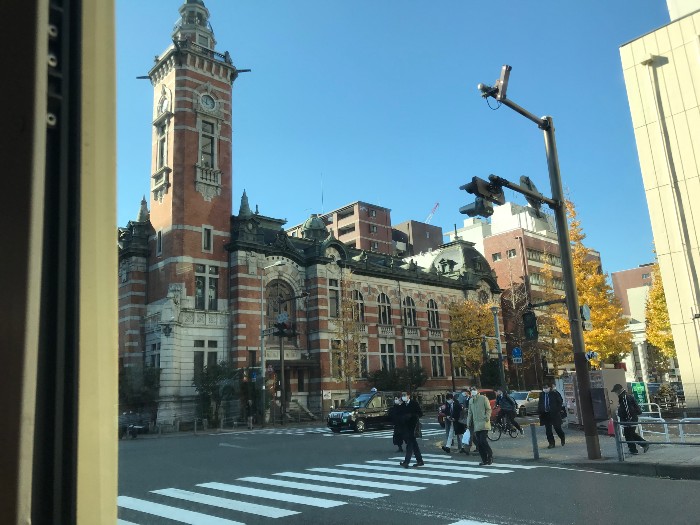
Over the subsequent years more and more foreign merchants came to Yokohama. Designated areas were allocated for foreigners to open offices, warehouses, and live. The most wealthy would build houses in what is now called “Yamate” area, or informally, The Bluff.
What other major event stimulated the growth of Yokohama? The answer is the introduction of a railroad. In 1872, Japan’s first railway was constructed between Shimbashi Station in Tokyo and what is now Sakuragicho Station in Yokohama. This critical rail connection ignited rapid development, transforming Yokohama into a major industrial area and commercial hub. The railway facilitated the transport of goods between the port of Yokohama and Tokyo, essential to Japan's industrialization and growth. Built using British expertise and financing, the project served as a model for the nationwide expansion of railroads.
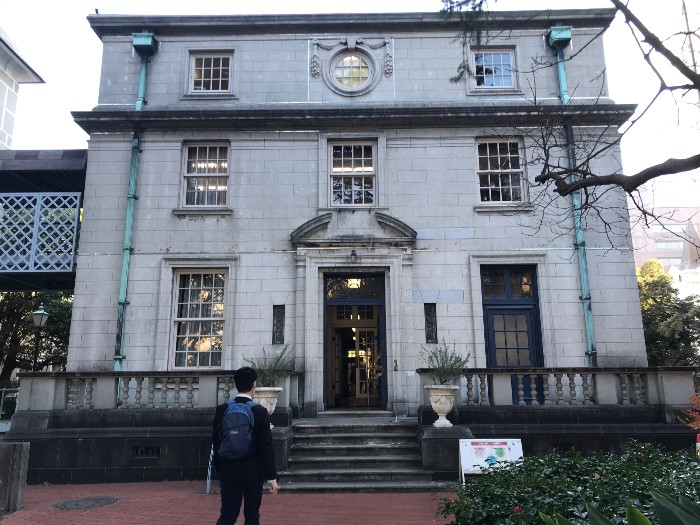
But there were setbacks. Yokohama was heavily damaged by the Great Kanto earthquake in 1923 and by US bombers during World War II in 1945. Both times, the city was reconstructed, and improved in the process.
After the war and subsequent occupation, Yokohama experienced rapid reconstruction, but it was not until Asukata Kazuo, mayor of Yokohama (1963 to 1978), initiated his Six Major Projects that Yokohama really started to take off.
Yokohama would not be what it is today without those major development initiatives.
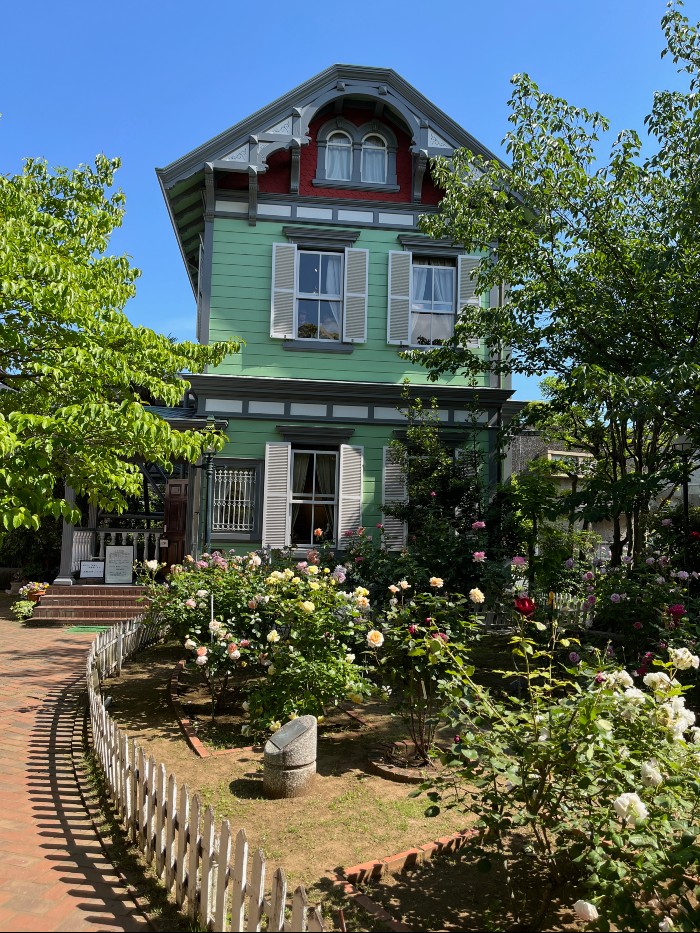
I mentioned above that many foreigners with money built homes on The Bluff. To this day a number of these houses are still standing, and can even be toured. To get to this area, I found it best to aim for Motomachi-Chukagai Station, and then walk up the hill towards America Yama Park. From there you can follow the path directly into Motomachi Park, or, veer off to Yamate Hondori street. If you did the latter you'll walk by the Yokohama Foreign General Cemetery, which is interesting in its own right. You will also pass a number of old homes, some of which you can enter for free.
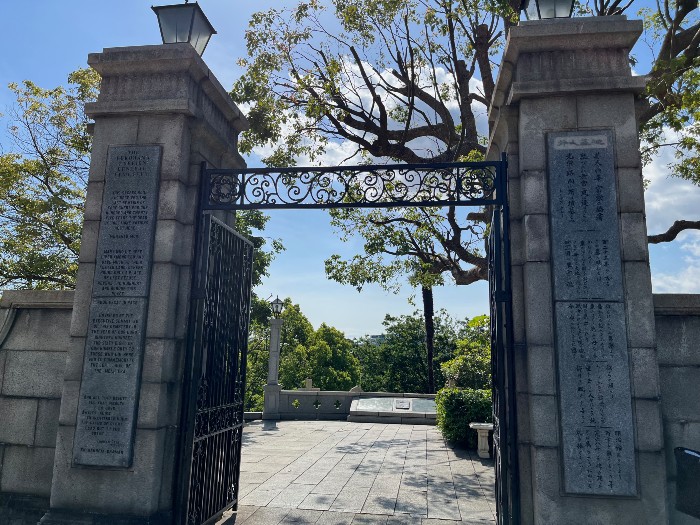
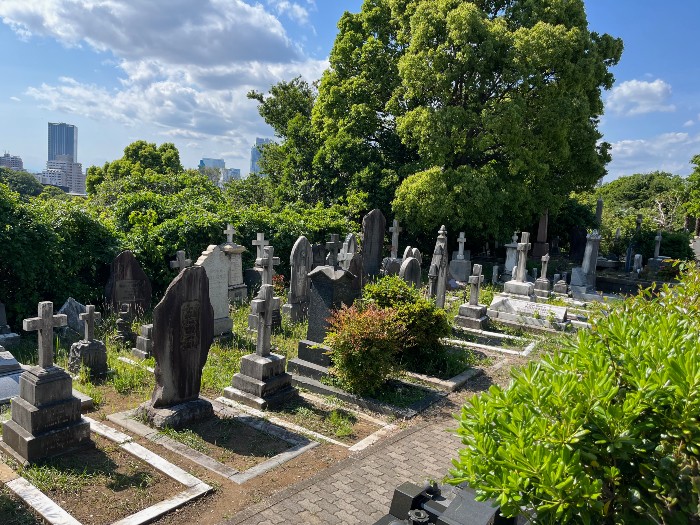
If you keep going you'll eventually reach Berrick Hall, a Spanish-style manor built in 1930 that was designed by American architect J.H. Morgan for British merchant B.R. Berrick and his family.
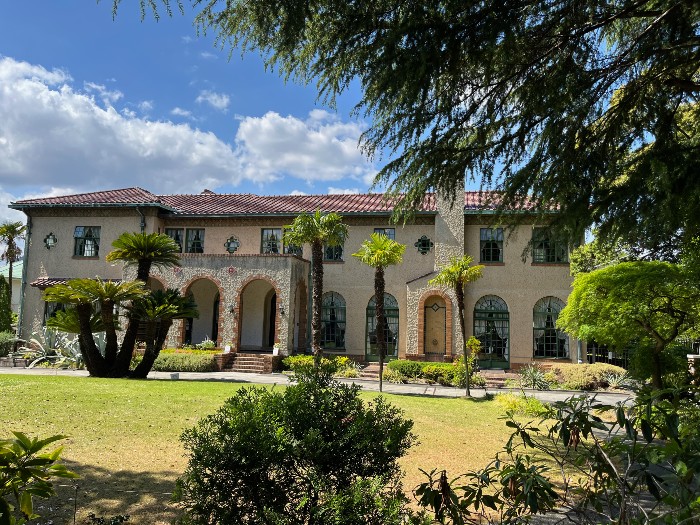
Alternatively, you can walk up the hill at the entrance to Harbor View Park, which features the Rose Garden and the Yokohama British House, built in 1937 on its current site as the residence of the British Consul General.
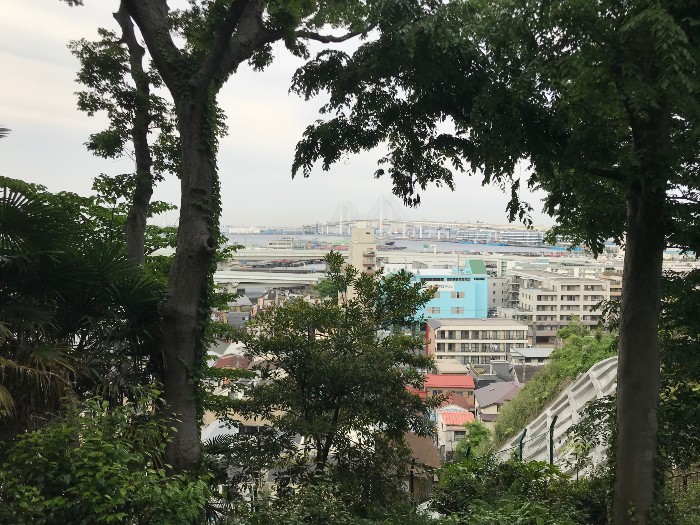
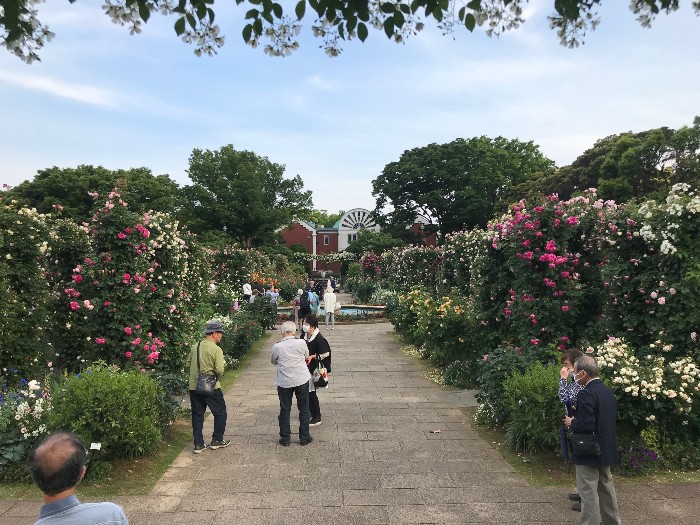
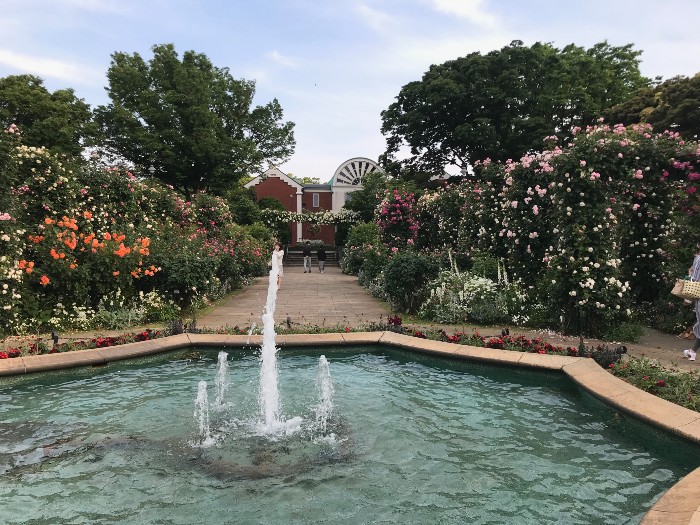
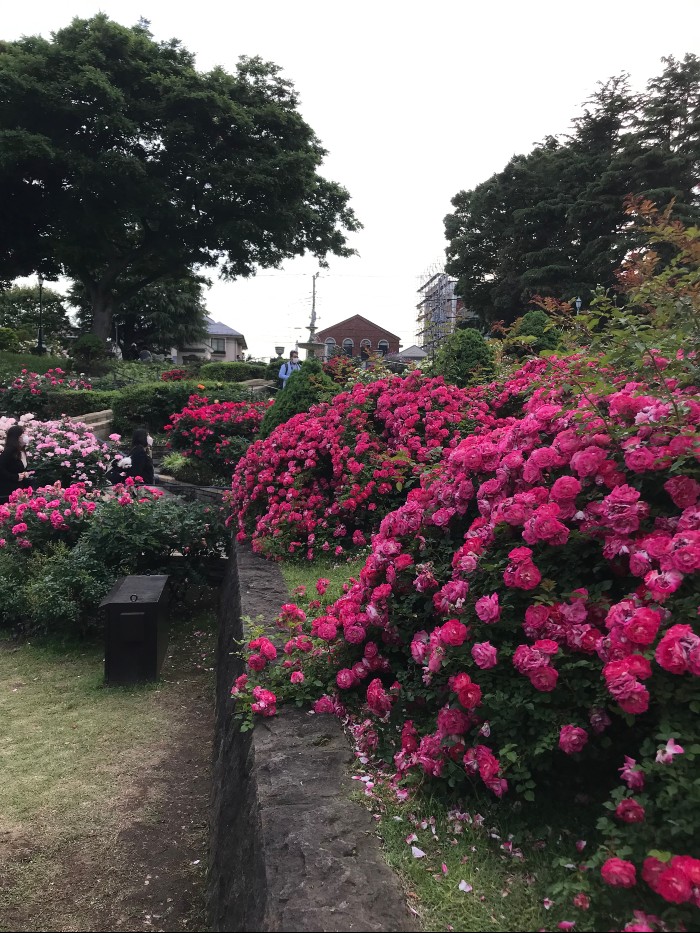
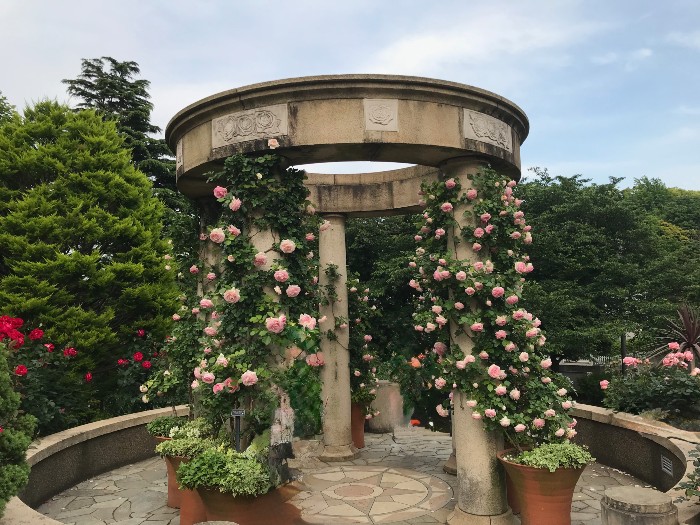
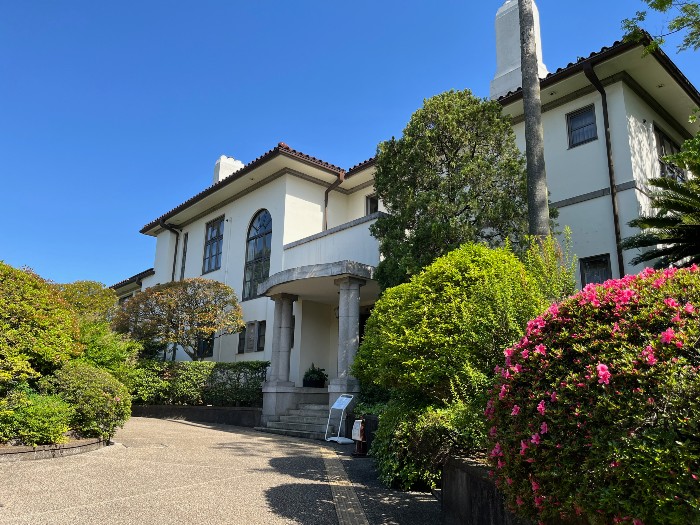
If you make the journey up to the Bluff, make a day of it by visiting both parks, the cemetery, and the old homes where the wealthy foreigners lived. Check out the Yamate Museum to learn about the neighborhood, and ask the lady at the counter questions - her English is perfect.
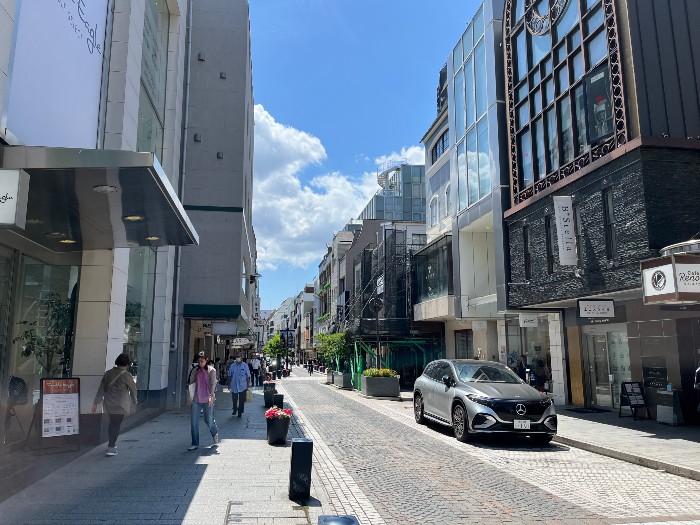
So what else in there in Yokohama to see? Well, each section of Yokohama has something to offer. I'll give you a few ideas that I enjoyed. One is is not far from Motomachi-Chukagai Station - Yokohama Motomachi Shopping Street; the district is commonly referred to as Isezakichō. There you will find a long street of high end shops, cafes, and restaurants. I went to this area for lunch the other day, and found that the street running parallel to Motomachi Shopping Street towards the hillside has more interesting restaurants.
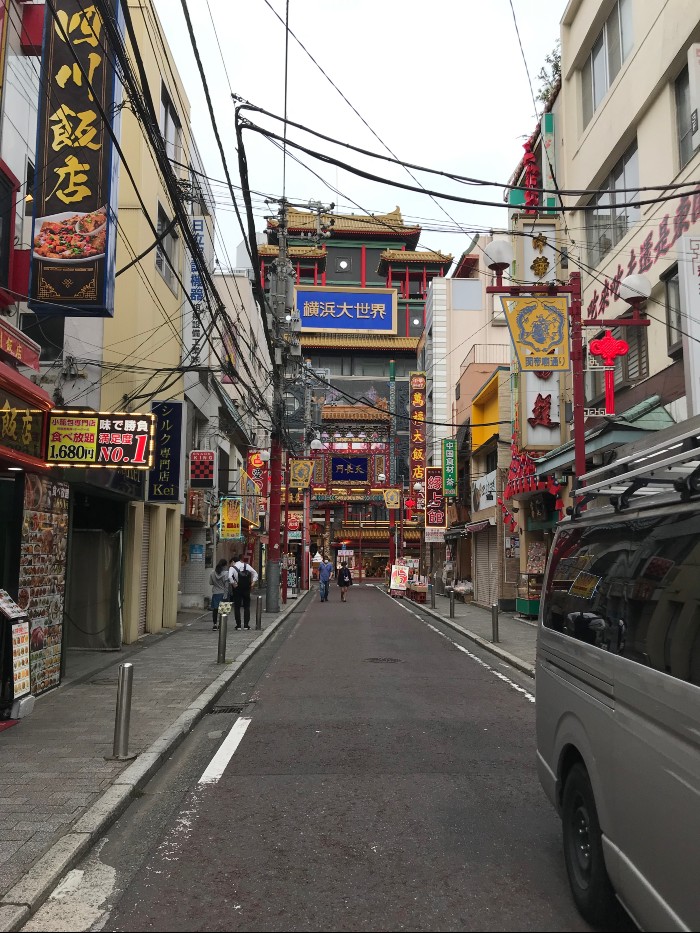
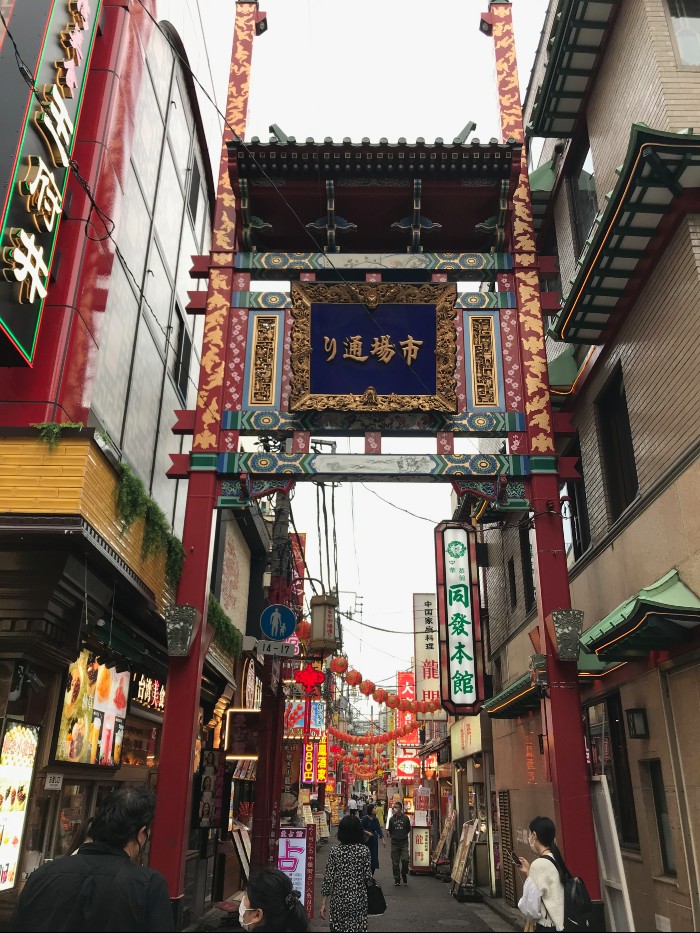
Right across the canal you'll find Chinatown, the largest in Japan. It features over 600 restaurants and shops crammed into an area of roughly 500 square meters.
Then there is Yamashita Park on the harbor, completed in 1930 on landfill after the Great Kanto Earthquake. The park is nicely decorated with flower gardens and statues, most notably the Statue of the Girl with Red Shoes.
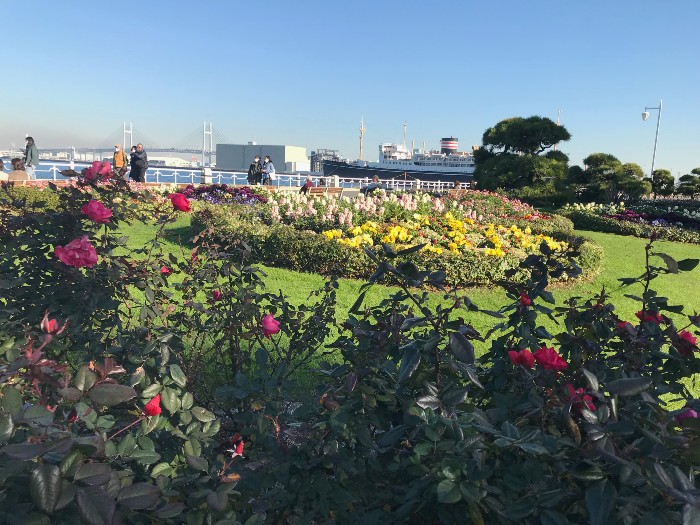
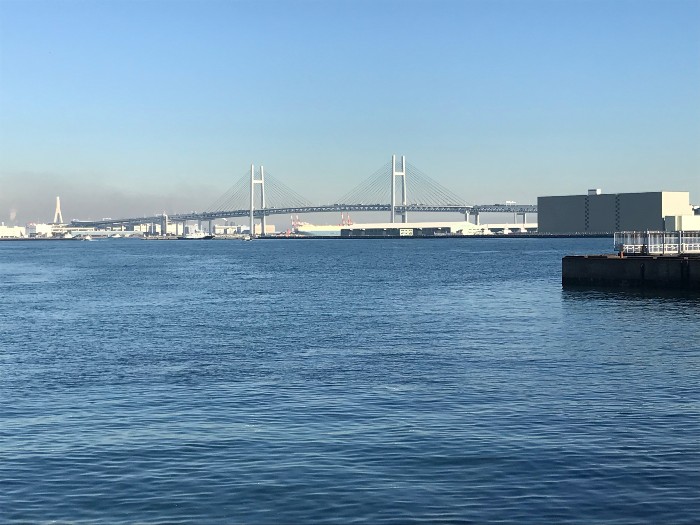
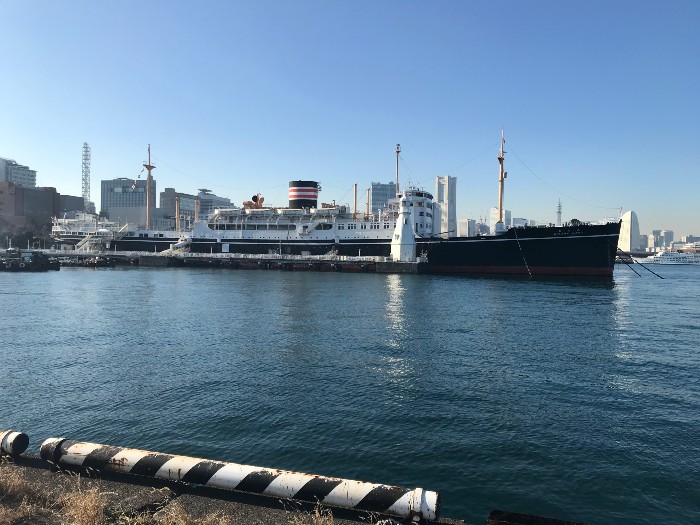
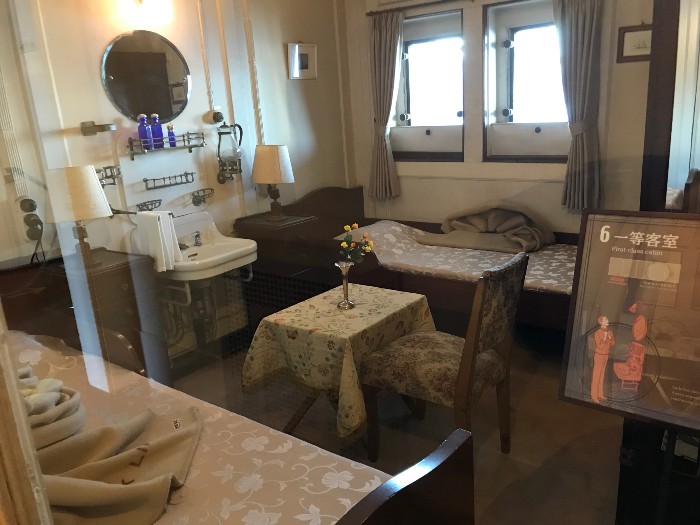
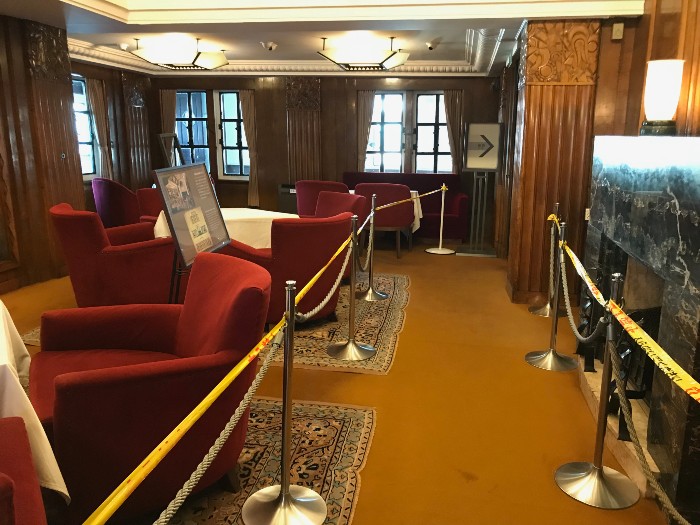
Walk down towards the pier, and you'll see an ocean liner in the distance called the NYK Hikawa Maru. This ship was commissioned in 1930 for voyages between Seattle and Tokyo. During the war, it was used to evacuate Jewish refugees to North America, and at one point was used as a hospital ship. You can board the ship for a tour of the entire interior, for a fee. The interior state rooms are furnished with period furniture, and has quite a lot of explanations in English too.
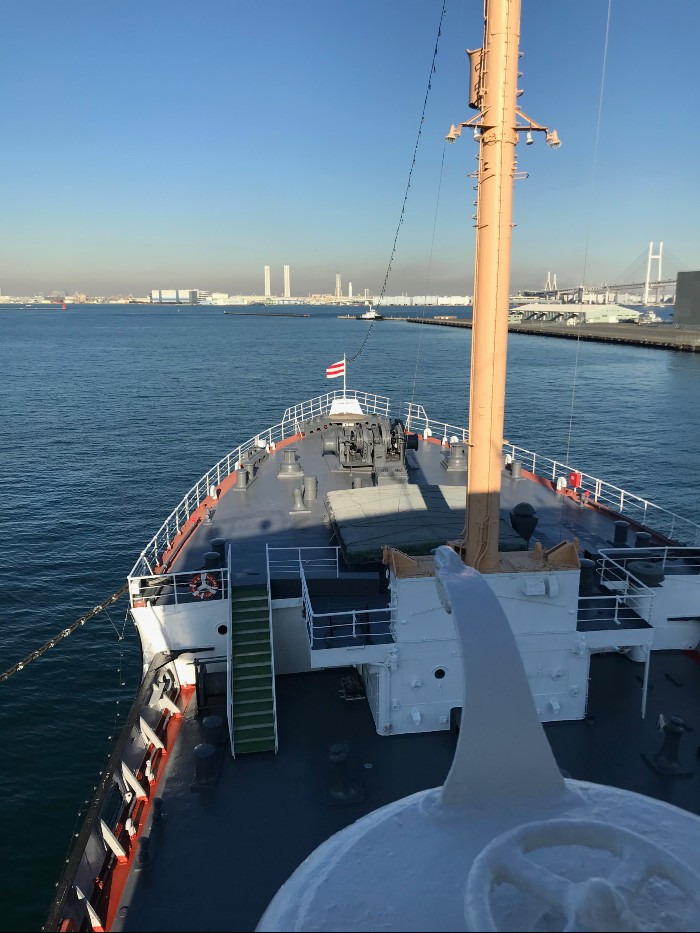
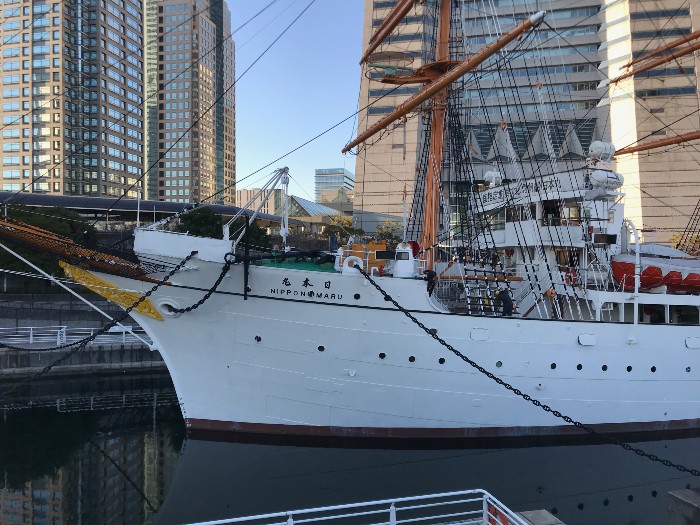
Another ship that I found interesting can be found near Sakuragichō Station called Sail Training Ship Nippon Maru. This vessel was built in 1930 as a training ship for cadets. In 1984, the Nippon Maru was placed under the authority of the City of Yokohama and permanently docked in a man-made inlet near Yokohama Landmark Tower. Right next to it is Nippon Maru Memorial Park, and the Yokohama Port Museum. While you are there check them out too!
When I visited Yokohama not too long ago I tried the Hop-On-Hop-Off bus that leaves from Yokohama Station, and found it to be a great bargain for a tour of the city. It's great if you don't want to have to learn about the local trains and buses, and don't have a lot of time. The Akai Kutsu (Red Shoes) Bus or the Bayside Blue Bus will take you on different routes throughout the city, with some overlap. Check the maps when you buy tickets.
As I read this lesson back I was amused that so many key events happened in 1930. It must have been a great year to live in Yokohama! In any case, this is not everything to see in Yokohama, but it will give you an idea of what is there, and maybe inspire you to explore Yokohama! Hope to see you in Yokohama sometime soon!
Vocabulary
Flash Card Drill-
In the 19th century, many Western countries demanded extraterritoriality in East Asia.19世紀には、多くの欧米諸国が東アジアで治外法権を要求しました。
-
Extraterritoriality was a controversial part of many unequal treaties.治外法権は、多くの不平等条約の中でも議論の的となる条項でした。
-
The railway played a key role in Japan’s rapid industrialization.鉄道は、日本の急速な産業化において重要な役割を果たしました。
-
Industrialization changed people’s lifestyles and where they lived.産業化は、人々の生活様式と住む場所を大きく変えました。
-
The training ship was used to educate cadets for many decades.その練習船は、何十年もの間、士官候補生の教育に使われました。
-
New cadets must learn both navigation and discipline.新しい士官候補生は、航法と規律の両方を学ばなければなりません。
-
The ship slowly entered the quiet harbor at sunset.その船は、夕暮に静かな港へゆっくりと入っていきました。
-
Yokohama developed quickly because it had a large natural harbor.横浜は、大きな天然の港があったため急速に発展しました。
-
The park was built on landfill after the earthquake.その公園は、地震の後に埋立地の上に造られました。
-
Many modern ports use landfill to expand their facilities.多くの近代的な港では、施設を拡張するために埋立地が利用されています。