Northern Honshu in the Springtime

Spring in Japan is a time where everybody searches out the best place to view sakura, or cherry blossoms. We had come to Tokyo in the middle of April this time, and so we missed the cherry blossoms there. So, we decided to go north, where the sakura was still blooming.
Having no car of our own, we decided to take a 3 day, 2 night prearranged tour using Club Tourism.
The tour called for a shinkansen ride from Tokyo to Sendai - and a very early departure time. Once we arrived in Sendai at roughly noon, the bus tour picked us up, and we made are way to Iwate prefecture.
That afternoon we travelled to Hiraizumi to see the sprawling temple complex with Chūsonji Temple at its center. There are quite a few temples and shrines in this area situated along the Kinu River, but Chūsonji is the most well known.
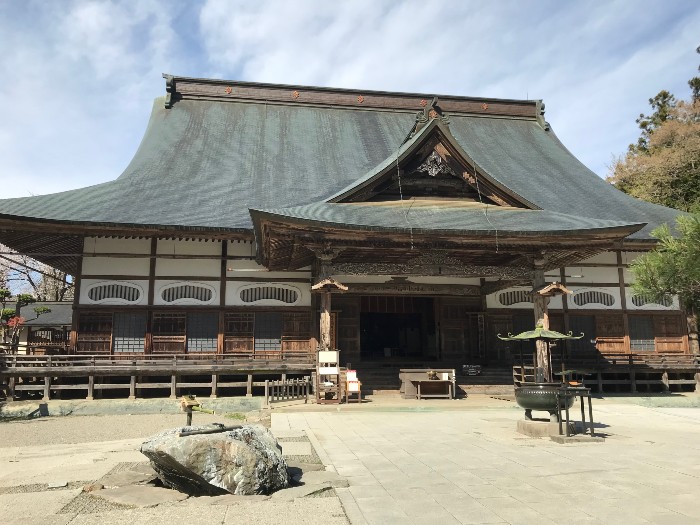
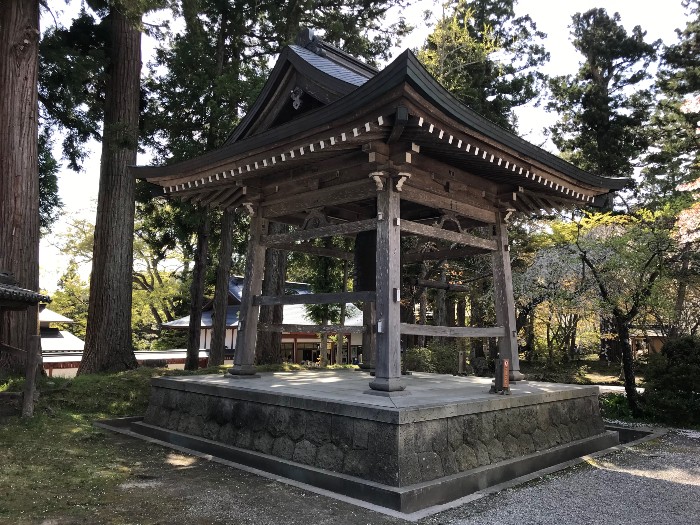
Chūsonji was founded in 850 by Ennin (posthomously known as Jikaku Daishi), a monk who is credited with spreading the Tendai Sect's teachings in Japan. Tendai Buddhism is a Japanese school of Mahayana Buddhism that originated in China as Tiantai Buddhism, and was founded by Zhiyi in the 6th century. It was brought to Japan by the monk Saichō in the 9th century.
Numerous buildings occupy the Chūsonji temple grounds, most notably Hondō Main Hall. Nearby, we poked our heads into a few other temples, including Shinjuin, Benzaitendo and Shakadō. And as it were, the tour is of course guided, and there is an allotment of time devoted to each stop. Hence, we did miss some things we would have liked to see, but lest I remind you, our real goal on this trip was to see the cherry blossoms, not see old temples! So onward!
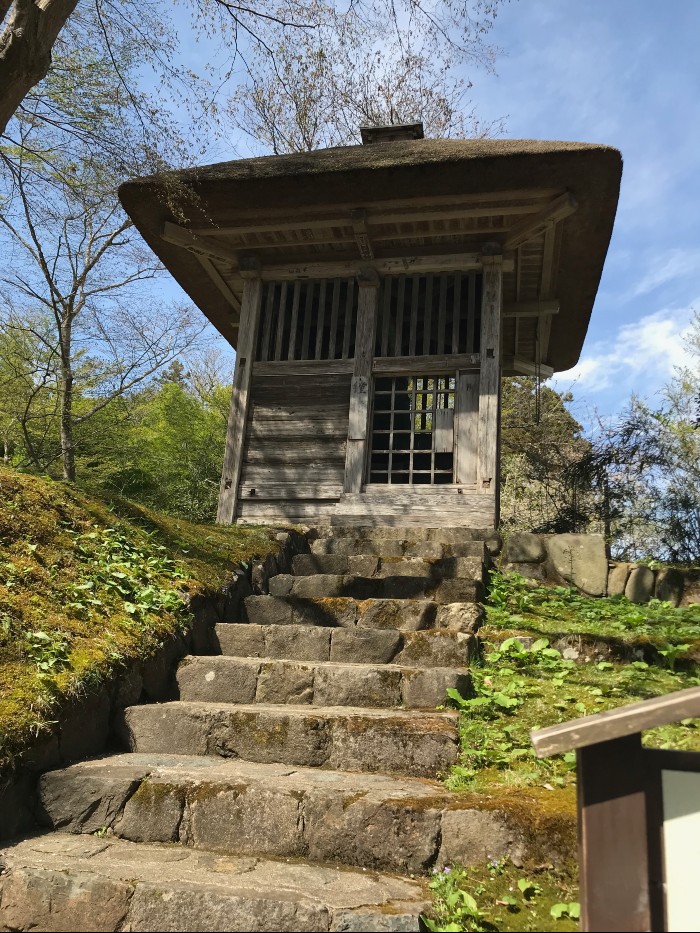
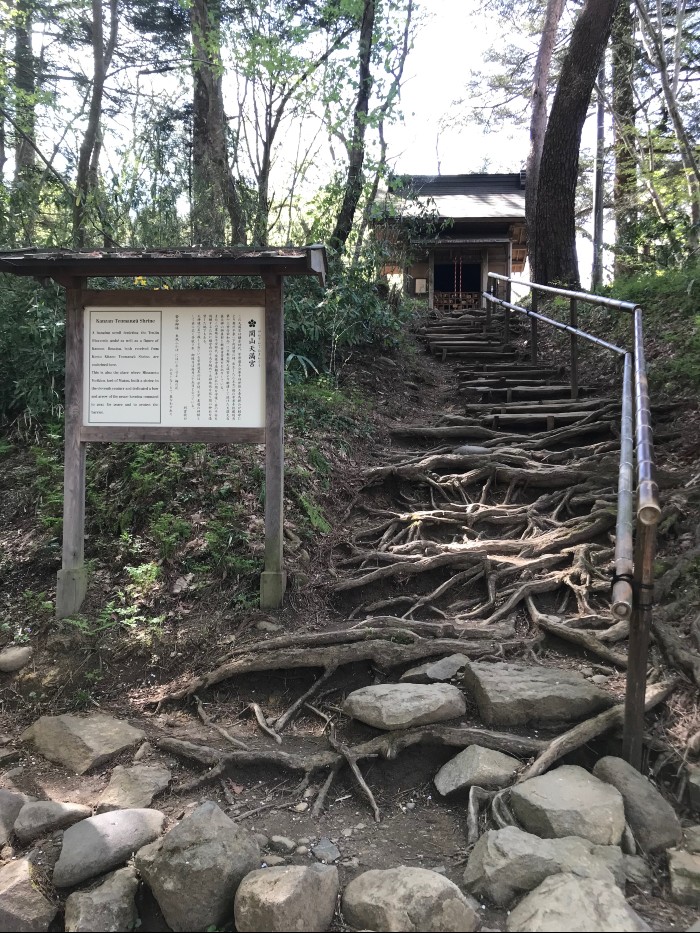
Our next stop was a Kitakami Tenshochi Park, which is on the east side of the Kitakami River, and near the gorge where the Waga River splits off from the Kitakami. Frankly, there were not that many cherry trees there, though the ones we did see were in full bloom and utterly beautiful. It would be the next day when we see some serious sakura.
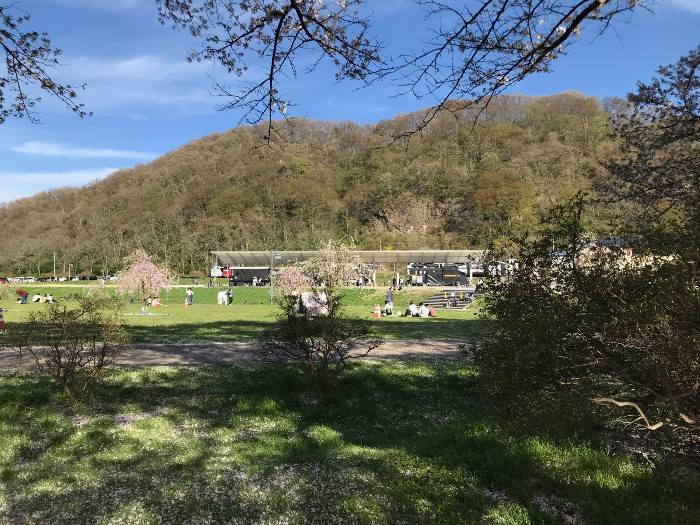
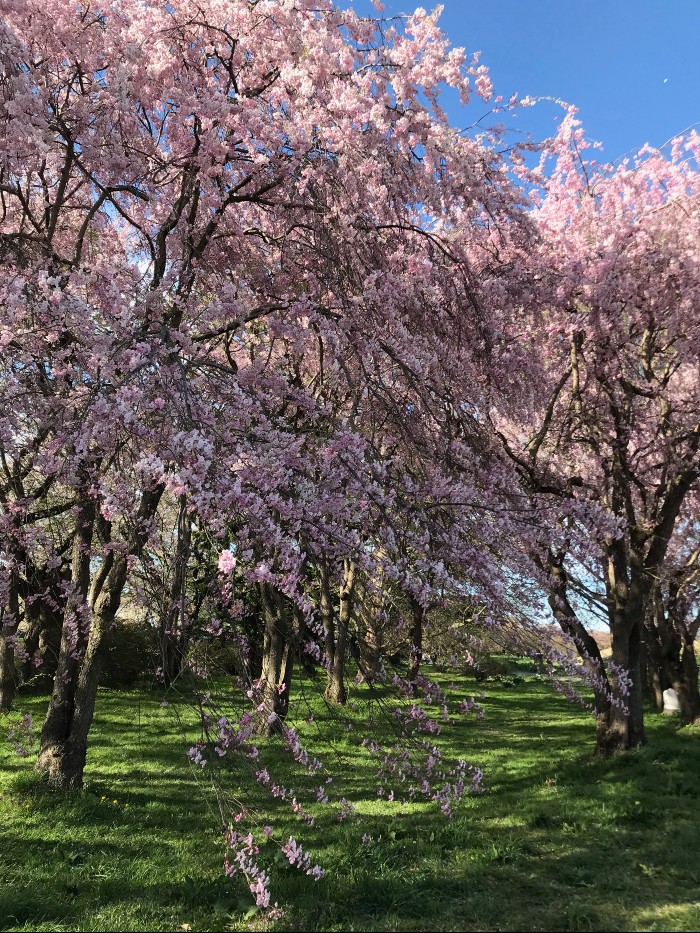
The morning brought us a beautiful day, with partly sunny skies and chilly temperatures. We all got up early, hopped in the bus, and were off to Kakunodate Samurai Residence Street in Akita prefecture.
I have to say that this place was a pleasant surprise. The main street is lined with very old homes, some of which were the abode of samurai and their families. Some of the houses were sporting some gorgeous sakura, which made for some nice pictures.
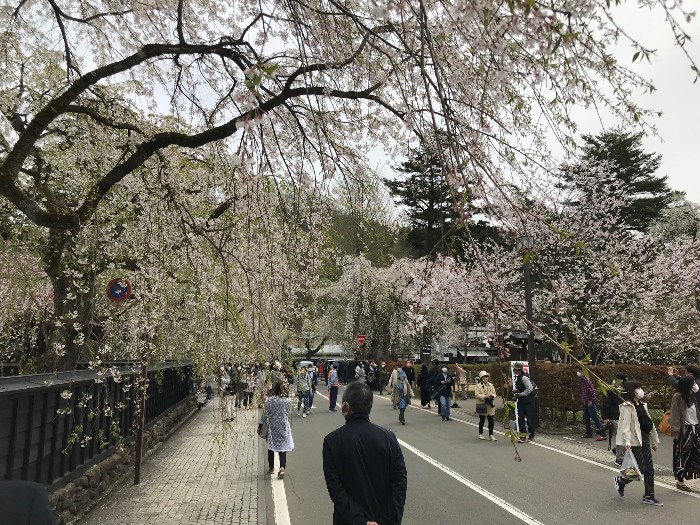
Aoyagi Samurai Manor Museum is a must see. The Aoyagi family initially moved to Kakunodate in the mid 1600's. The family founder Aoyagi Touemon was appointed by his lord head of Nanbu-area boundary guards - which probably has something to do with the amount of weapons that are on display in the museum complex. In addition, lots of family heirlooms are on display, including antique gramophones and classic jazz records from the era.
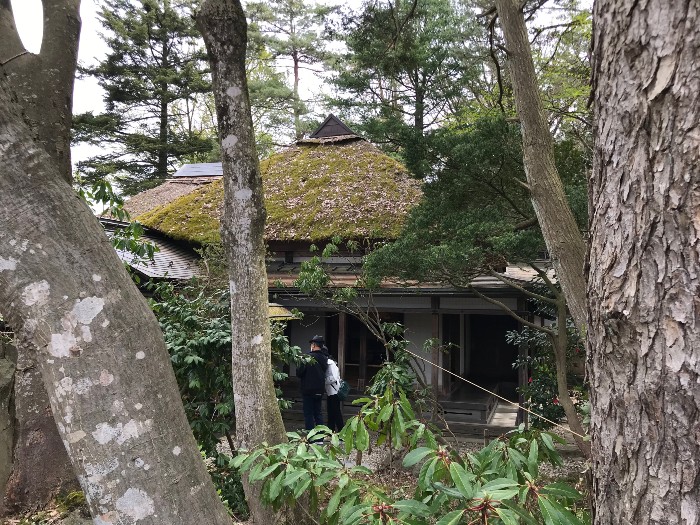
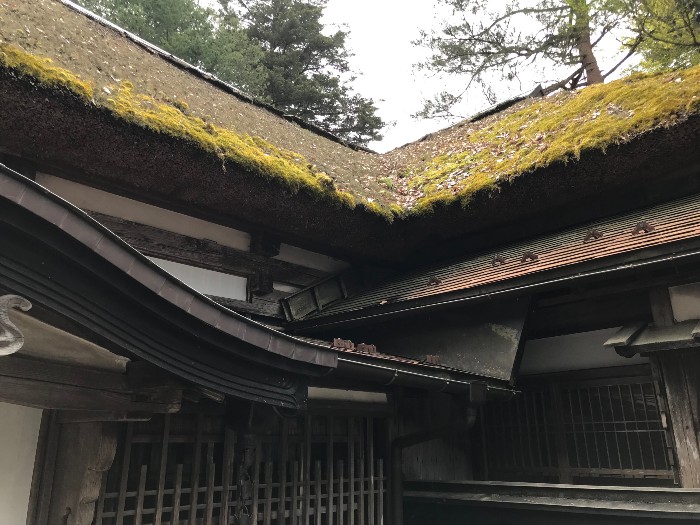
Over the years, with each successive generation, the family gained wealth and influence, primarily as landlords. The main house that is central to the museum was built over 200 years ago, while other buildings on the property date back to the 17th and 18th centuries. The home was occupied by the family until 1985!
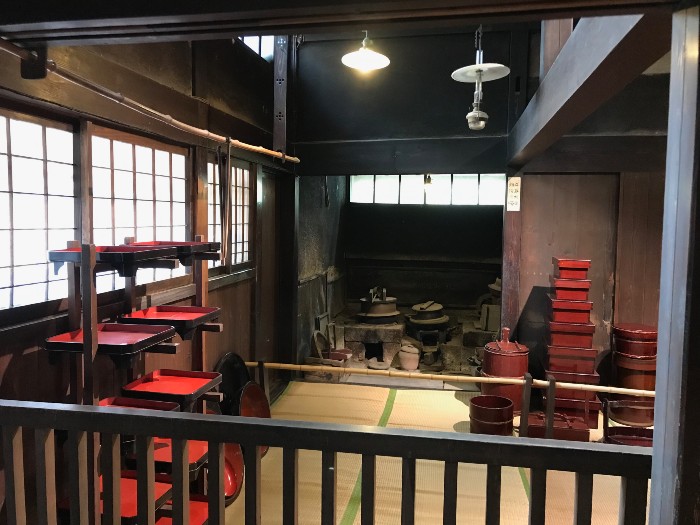
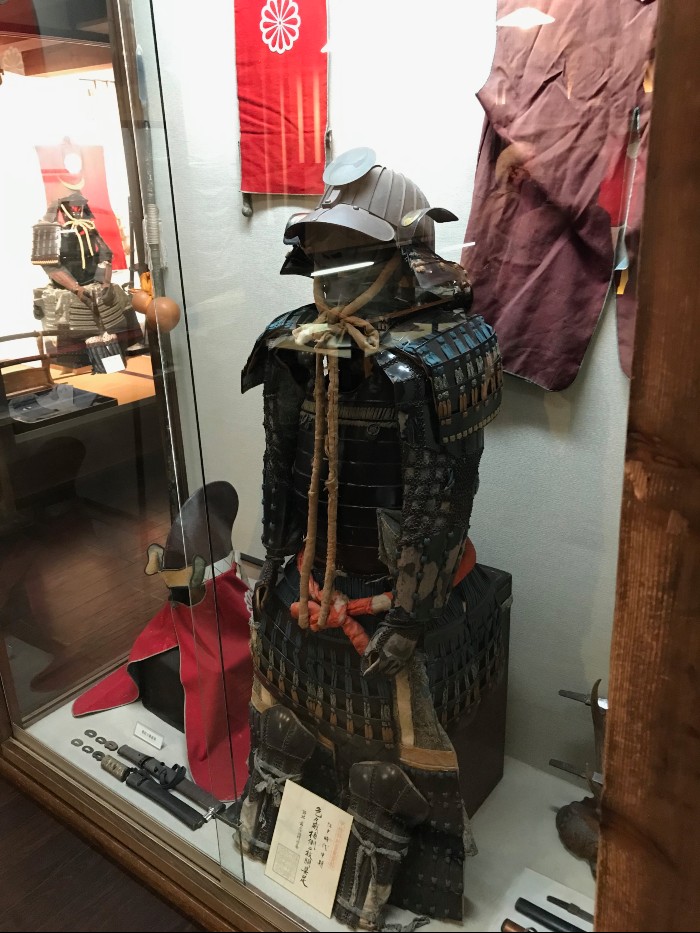
There are five other samurai properties worth exploring, but the Aoyagi house is the largest and most interesting in my opinion.
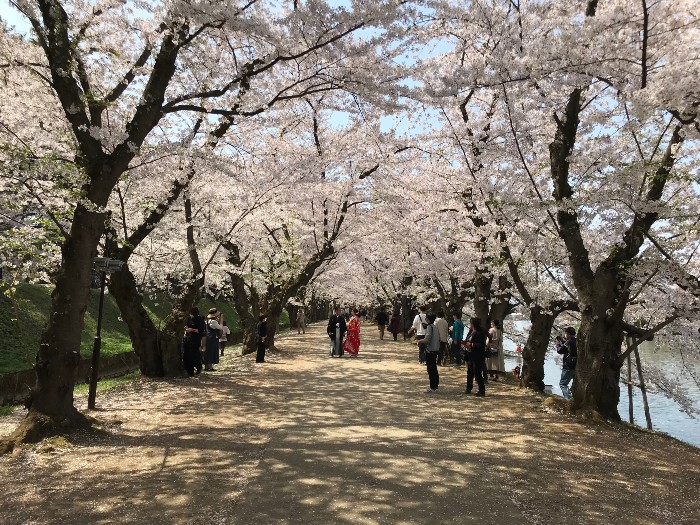
After a quick lunch we walked to the Hinokunai River side to see the blooming cherry trees. What a sight! Rows and rows of sakura lining the riverbanks; it was truely magnificient.
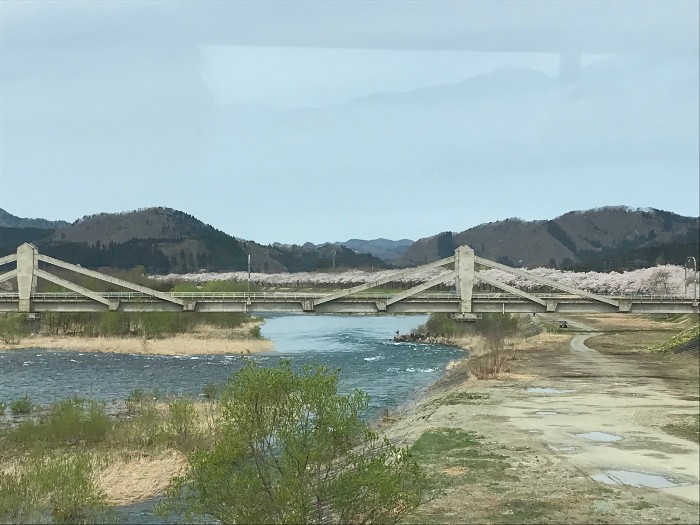
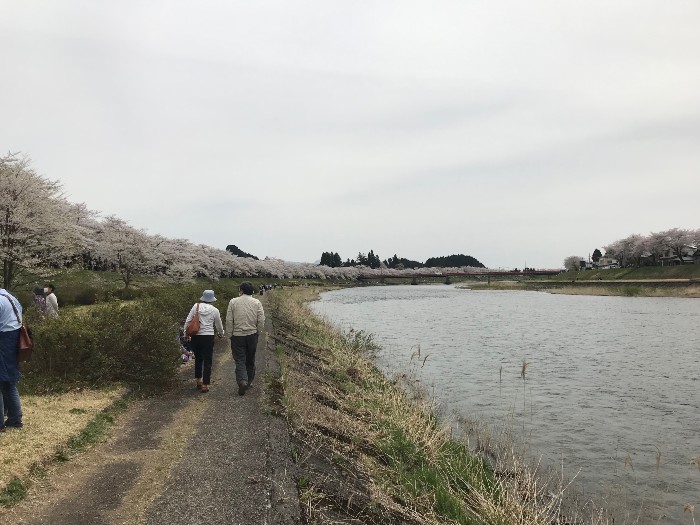
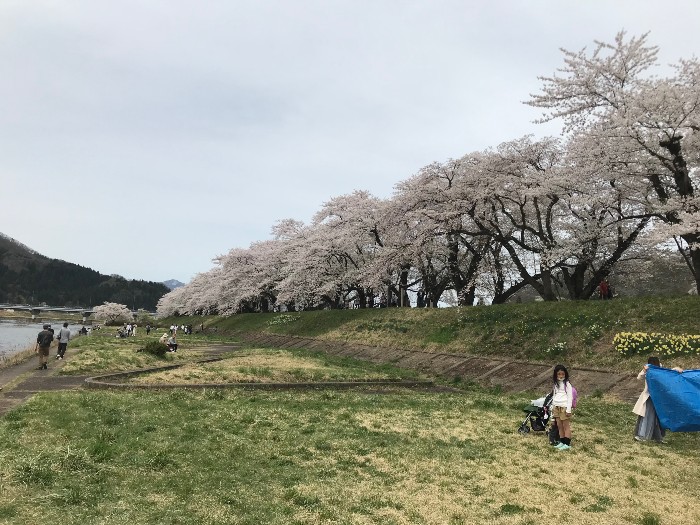
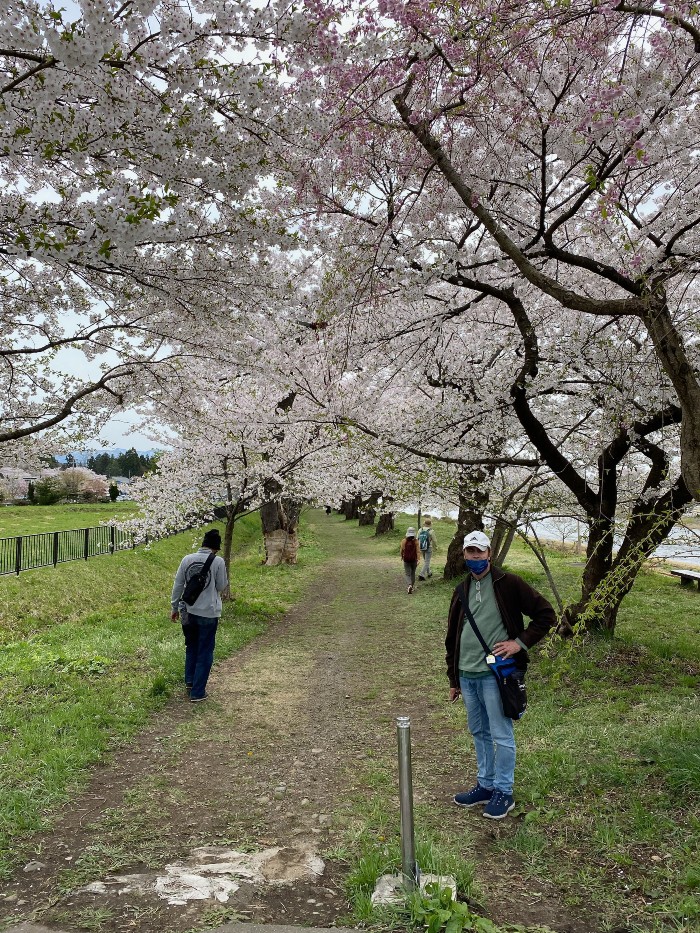
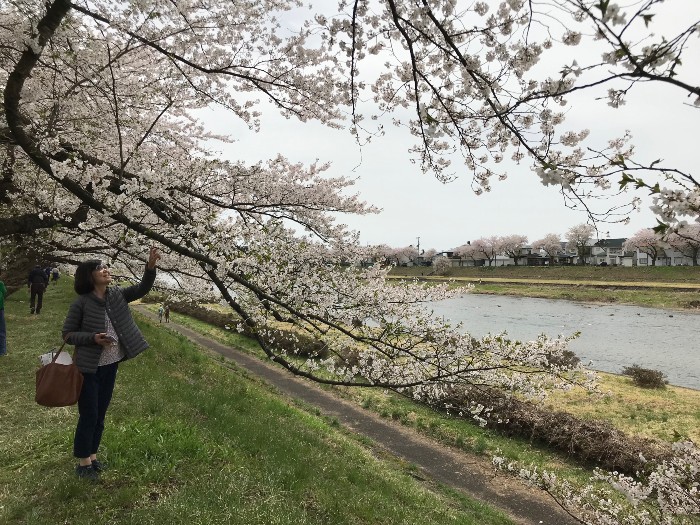
Our next stop was Lake Tazawa, due north. The lake is nestled in the mountains in Semboku, and is the deepest lake in Japan. Alongside the lake is the Statue of Tatsuko, who, as legend has it, was a young woman of unsurpassed beauty, who yearned to preserve her good looks and youth for eternity. The goddess responds to her wish by telling her to drink the water of a mountain spring, but when the spring ran dry, she turned into a dragon, and is tasked with guarding the depths of the lake. Probably not a true story!
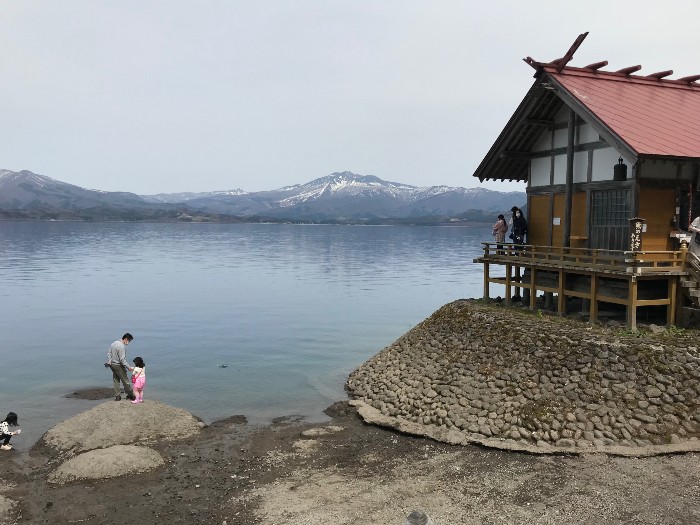
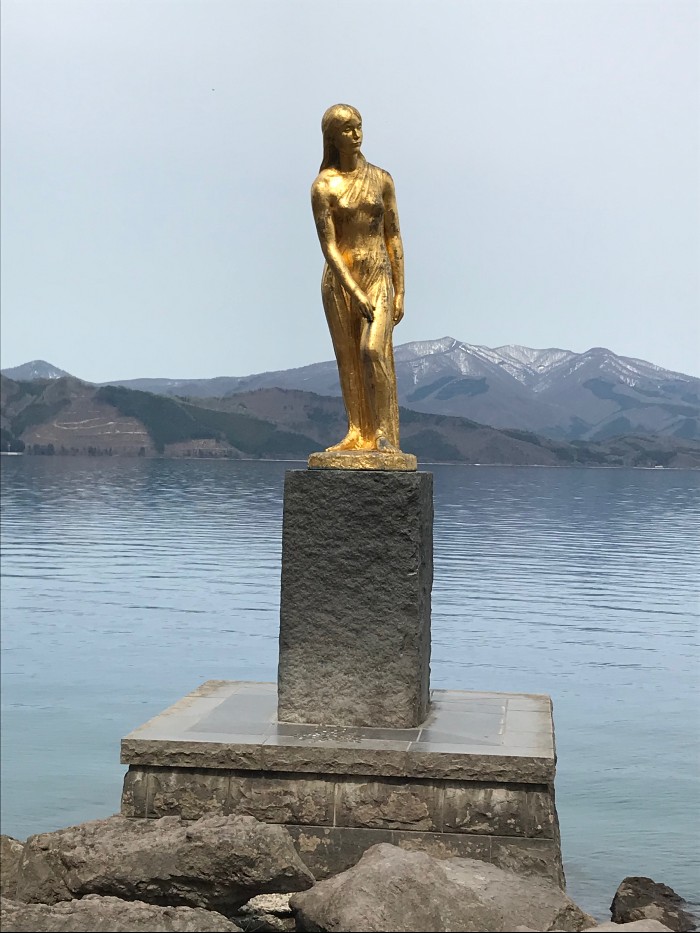
We left the lake late in the afternoon for our long drive north to Hirosaki in Aomori prefecture. That evening after dinner we all went to Hirosaki Park to see the lit up trees and castle. Quite an impressive display of color!
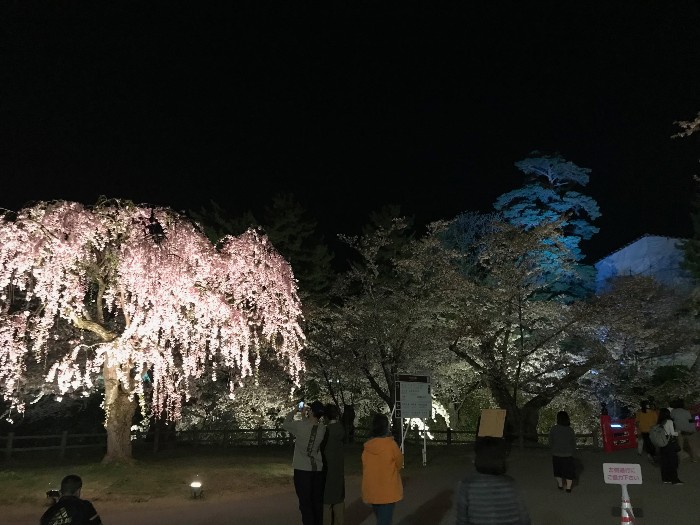
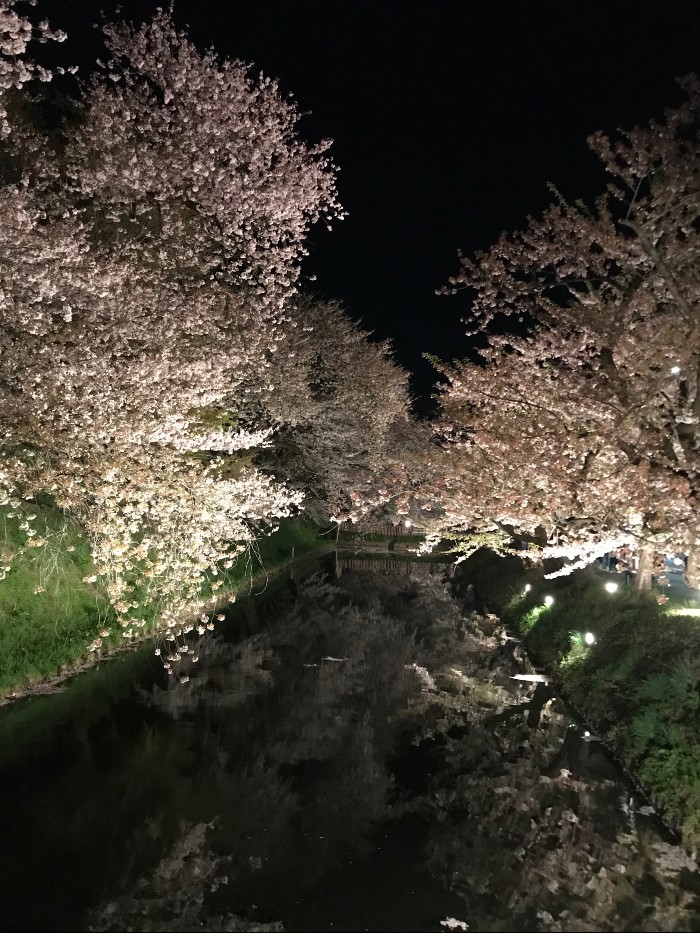
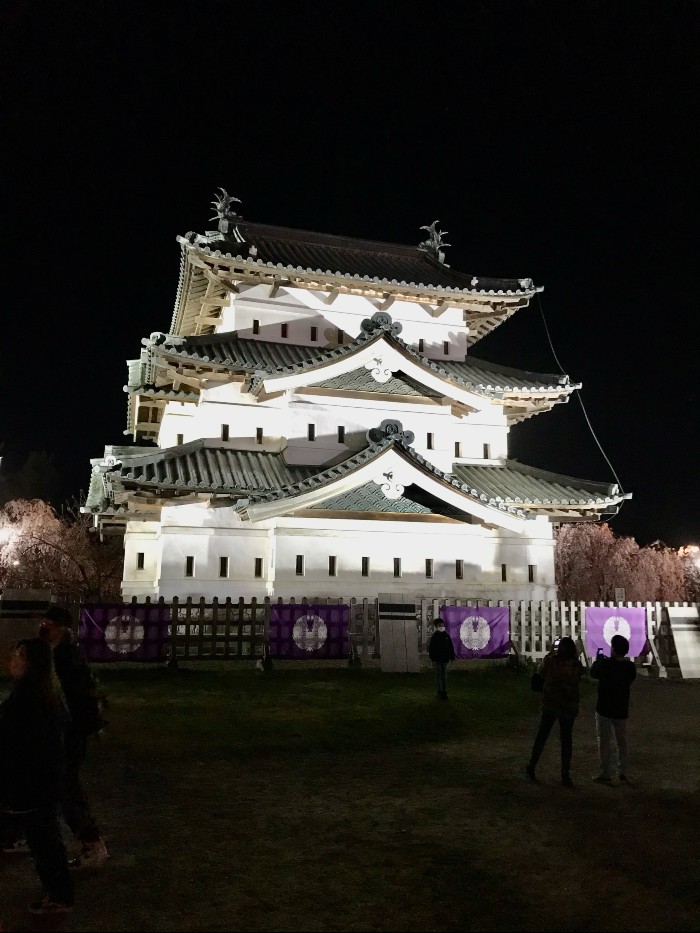
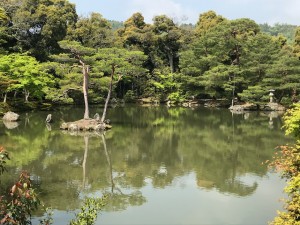
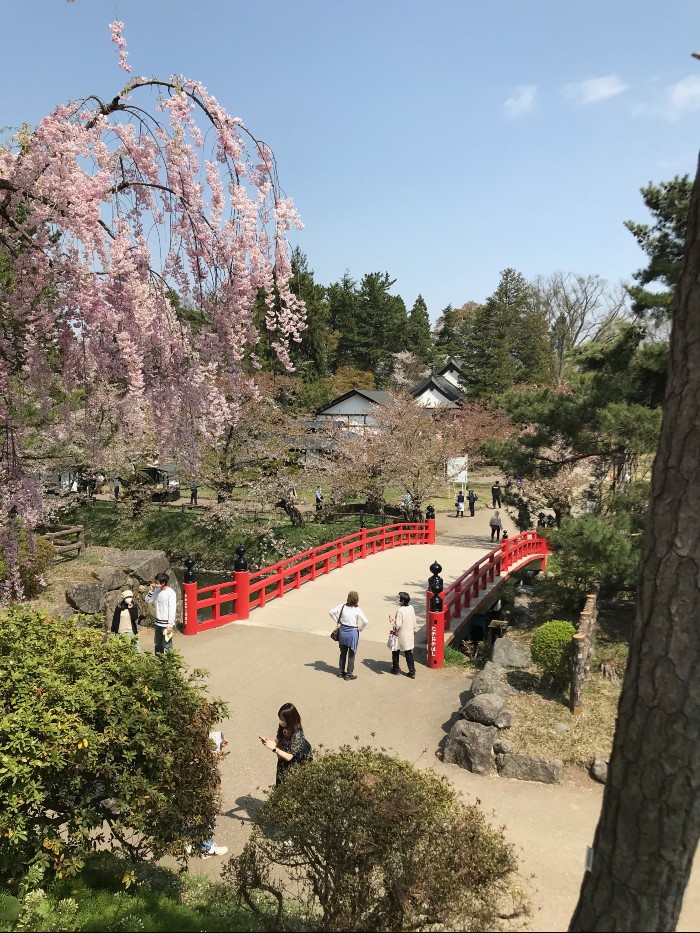
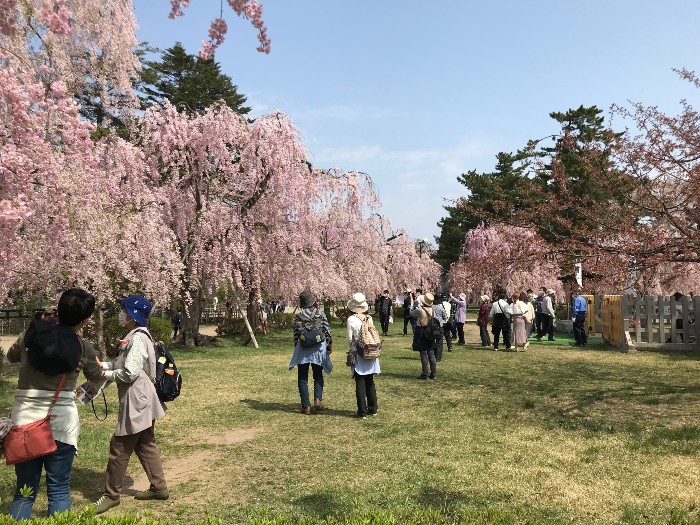
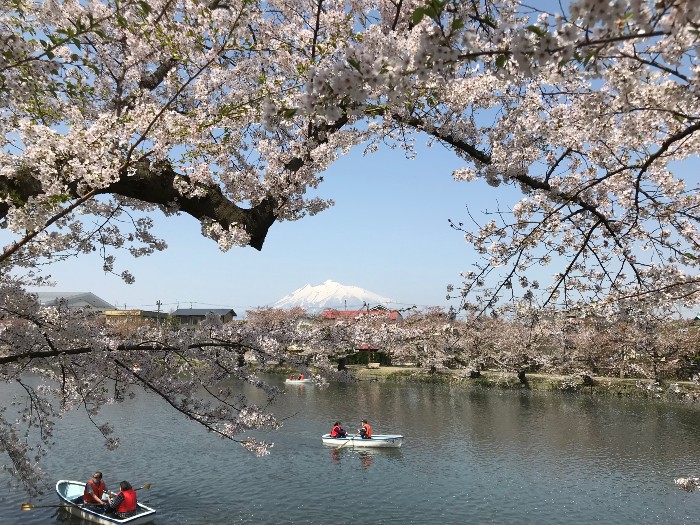
The next morning, after breakfast, we all walked back to Hirosaki Park to roam around some more. It is truely a beautiful garden, with numerous cherry trees, a moat, a lake, and of course, Hirosaki Castle.
Construction of the castle began in 1603 by Tsugaru Clan, but its leader died the following year, so construction was paused for years until Tsugaru Nobuhira took over the reins of the project. He slimmed down the design to accelerate its completion, and finally completed it in 1611.
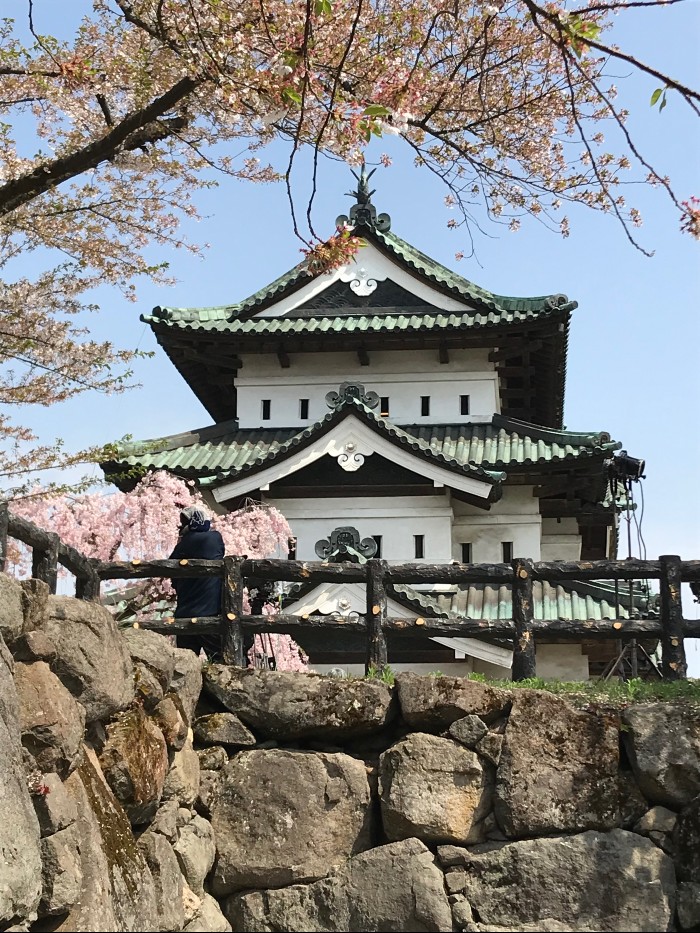
Originally the castle was built with a five story keep, but in 1627 it was stuck by lightning and burned to the ground. It literally took almost two centuries for it to be rebuilt, this time with only a three story keep. Its the only castle in the Tohoku Region (which consists of Aomori, Iwate, Miyagi, Akita, Yamagata, and Fukushima) that was not rebuilt in modern times, and one of a few in Japan.
Compared to other castles we have seen, this one seems very small. There are no tours inside the castle. I wonder what's in there!
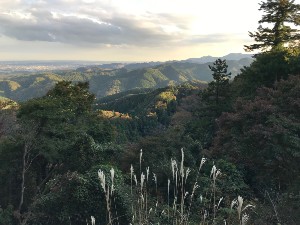
Anyway, that pretty much was the conclusion of the trip. We took a long ride by bus to Morioka to pick up the Shinkansen back to Tokyo. Nice scenery to look at on the long ride, with majestic mountains on both sides of the highway.
So, I would defintely recommend this trip to anyone wanting to explore the northern Honshu area. It's a great sampling of what the region has to offer, and will give you some ideas for your next trip.