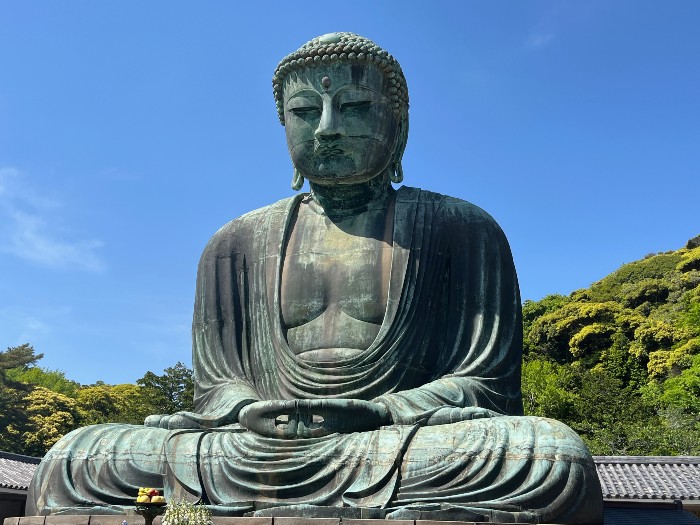
The Kyoto of Eastern Japan. That's how many describe Kamakura, an ancient city that seems to have a little something for everybody. It has a lively shopping street, proximity to the beach, and temples and shrines that were established in the 13th century.
The Kamakura Period was a critical influence on Japan's culture, both politically and religiously.
Between 1185 and 1333, Kamakura was the administrative capital of Japan, serving as the seat of the Kamakura Shogunate, the nation's first military government. This era marked a significant shift from the aristocratic court culture of Kyoto to a decentralized feudal system led by the samurai class.
Kamakura's political significance began when Minamoto no Yoritomo defeated the rival Taira clan in the Genpei War. The Genpei War (1180–1185) was a five-year conflict between the Minamoto and Taira clans for control of the imperial throne. It was a watershed moment that ended the classical Heian period and established Japan's first military government, the Kamakura Shogunate.
In 1192, after powerful shadow emperor Go-Shirakawa died, the 12-year-old child Emperor Go-Toba officially appointed Yoritomo as Shogun. Yoritomo chose Kamakura as his base for its natural defenses, as it is surrounded by steep mountains on three sides and the sea on the fourth. While the Emperor remained a symbolic figurehead in Kyoto, the actual administrative and military power rested in Kamakura.
After Yoritomo's death in 1199, the Hōjō clan ruled as regents for figurehead shoguns until 1333. During this time, Emperors held religious status but no power.
Emperor Go-Daigo launched a rebellion that initially failed, leading to his exile in 1331. However, he escaped in 1333, triggering a massive uprising. Key military leaders like Ashikaga Takauji and Nitta Yoshisada, originally sent by the Hōjō to crush him, turned against the shogunate instead.
That same year, Yoshisada sacked Kamakura, leading to a mass suicide by the Hōjō clan and the collapse of the shogunate. The fall of Kamakura in 1333 ended its 141-year run as the political capital, and power shifted back to Kyoto.
During this time of great upheaval in national politics, a new school of Buddhism called Zen was introduced from China. Zen Buddhism arrived in Japan in the late 12th century, just as the samurai were taking over the country. It was a radical departure from the "old" Buddhism of the Kyoto court. Philosophically, Zen rejected the elaborate rituals of the Kyoto elite, and instead, focused on direct meditation and mental clarity, making it the ideal spiritual backbone for the rising samurai warrior class in Kamakura.
Of all the Buddhist sects, Zen Buddhism is probably the most well known in Western countries because its teachings heavily influenced Japanese architecture, (rock) gardens, and the "minimalist" look people associate with Japan. But ironically, it is a minor sect in Japan, with a count of roughly 11% of all Buddhist followers. During the 14th century, Zen was all the rage, and so important Zen temples were built during this period in both Kamakura and Kyoto.
The "Five Great Zen Temples" of Kamakura are known as the Kamakura Gozan. Established in the 14th century, this ranking system was modeled after the great temples of China to organize and control the growing power of the Zen sect.
The Kamakura Gozan (In Order of Rank)
- Kenchō-ji: The highest-ranking and oldest Zen training monastery in Japan. It is famous for its massive Sanmon gate and juniper trees from China that are over 750 years old. Built in 1253.
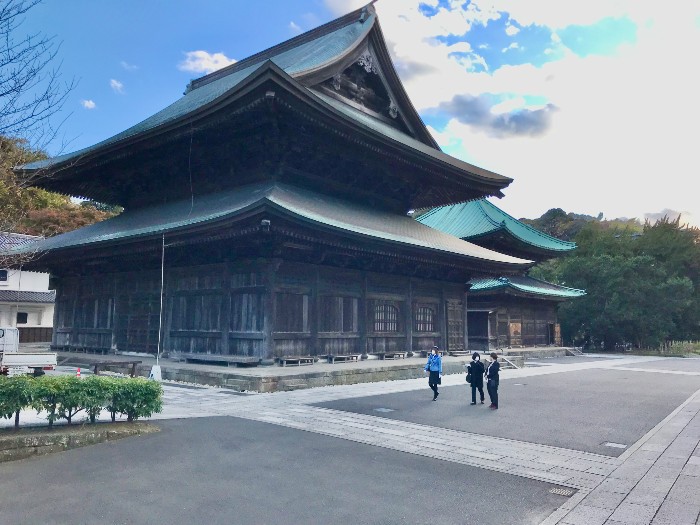
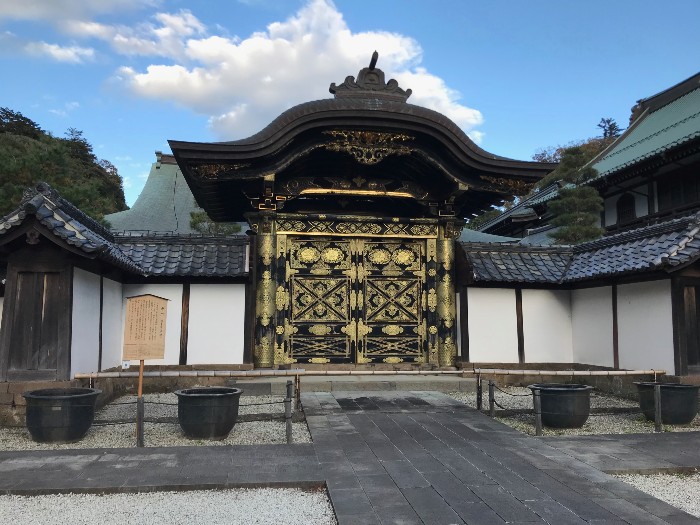
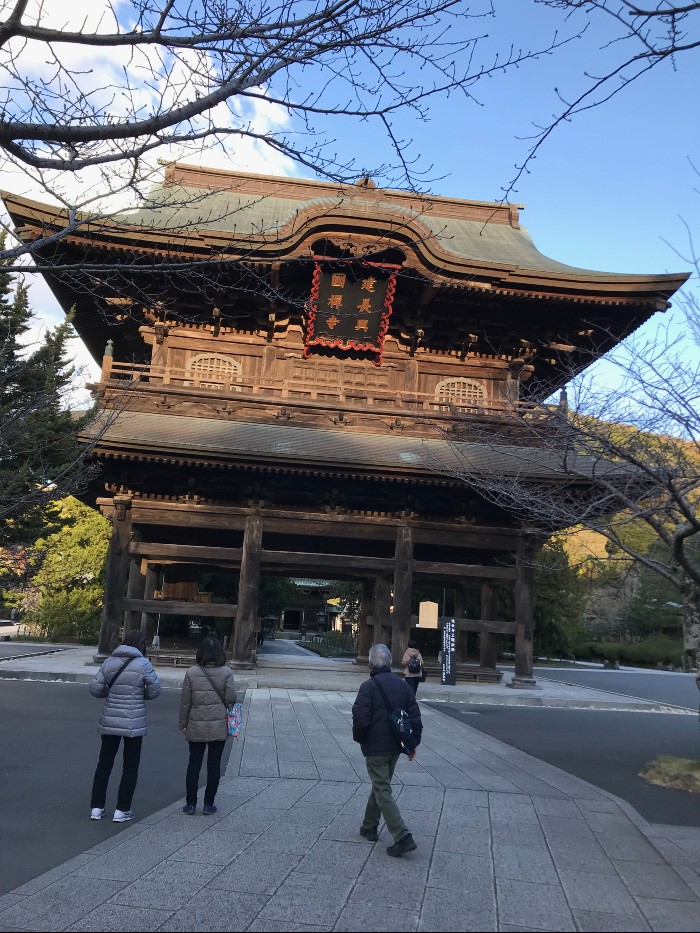
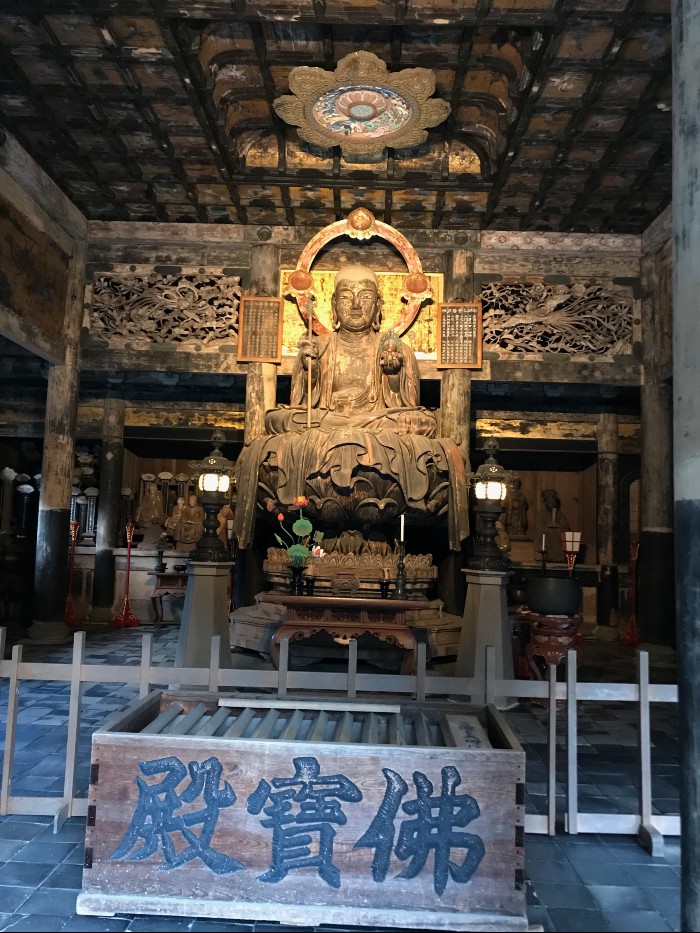
- Engaku-ji: Built to commemorate the spirits of both Japanese and Mongol soldiers who died during the Mongol invasions. It houses the Ogane (Grand Bell), which is the largest in the Kanto region. Built in 1282.
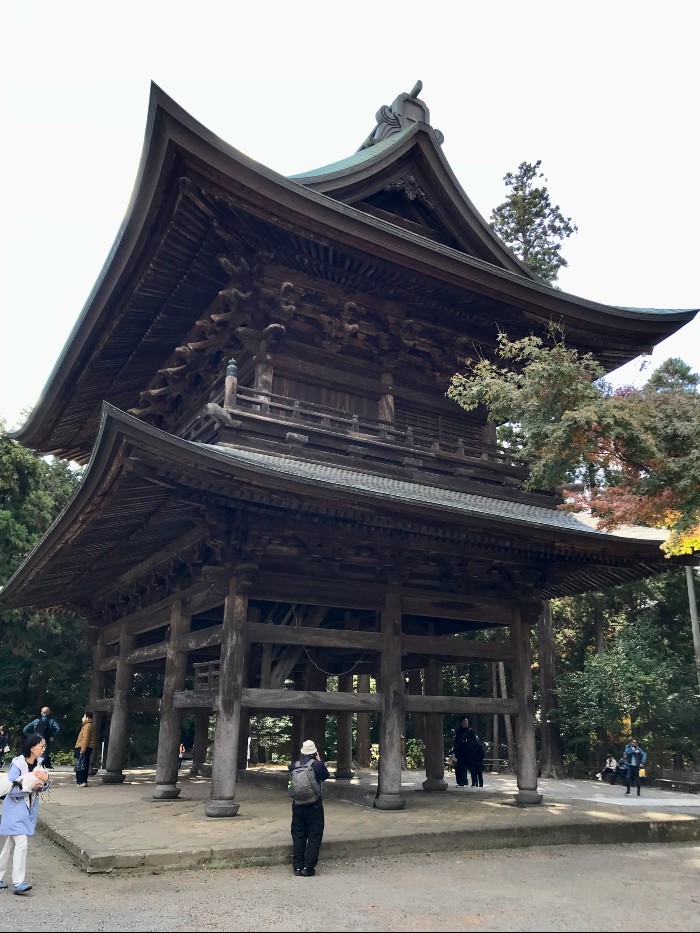
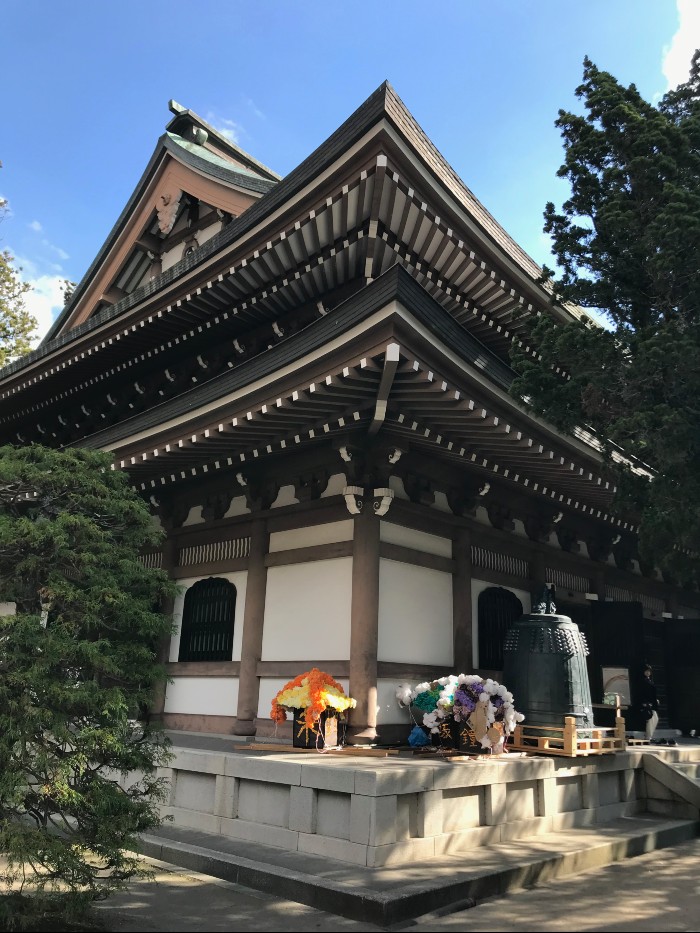
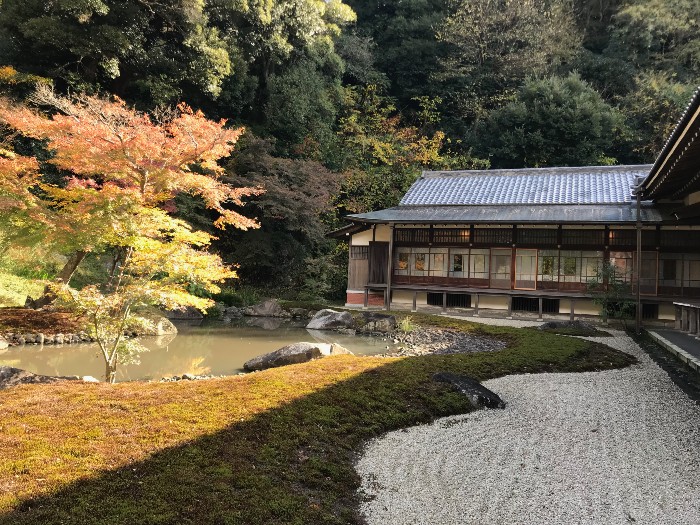
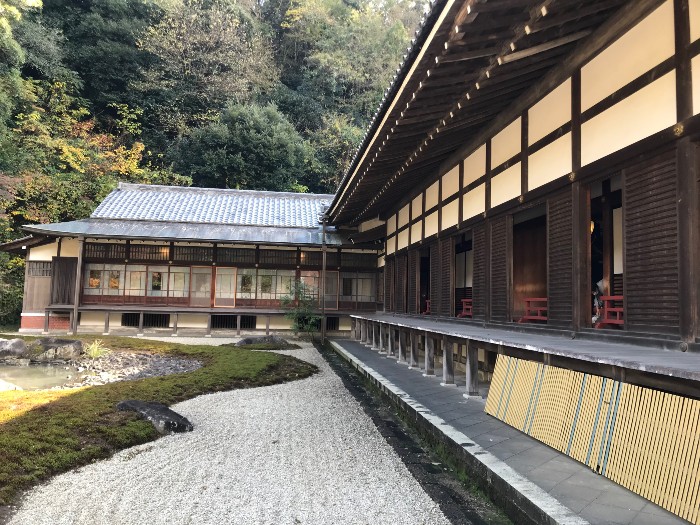
- Jufuku-ji: The oldest Zen temple within Kamakura. Many important religious figures are buried in the large graveyard. Built in 1200.
- Jōchi-ji: A peaceful temple nestled in a valley. It is known for its unique bell tower gate and a statue of Hotei (the laughing Buddha) in a small cave at the grounds in back of the temple.
- Jōmyō-ji: Located in the eastern hills, it is a quiet temple where you can enjoy traditional matcha tea overlooking a rock garden.
Of the big five temples, I have only visited Kenchō-ji and Engaku-ji so far. I am hoping my pictures will give you an idea of what they are like. When you come down to this area by train, get off at Kita-Kamakura to visit Kenchō-ji, Engaku-ji, and Jōchi-ji. Get off at Kamakura Station for the other two.
In addition, there are two more important temples to visit: Hase-dera and Kotoku-in, the home of the Great Buddha.
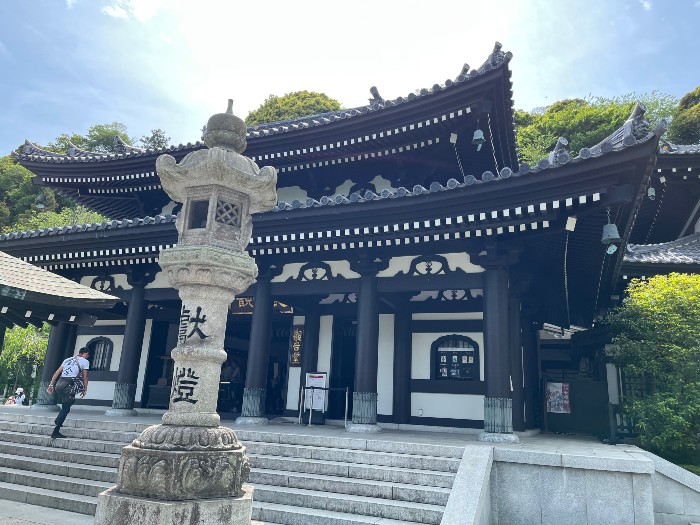
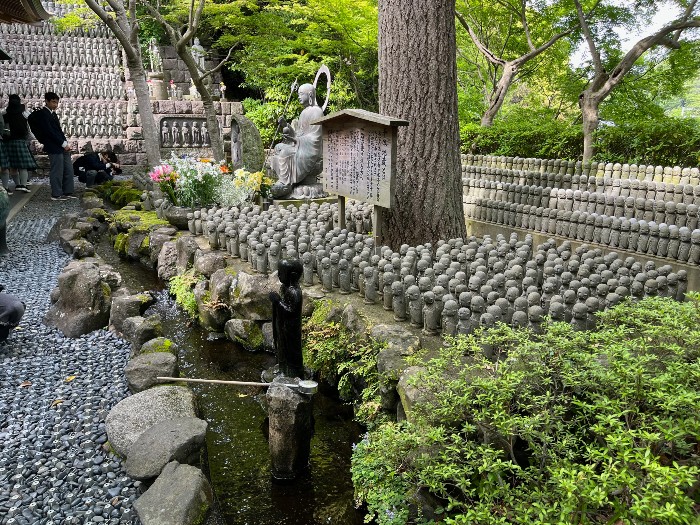
Hase-dera was built originally in the year 686, and over the subsequent centuries expanded into a large temple complex. The current Main Hall dates from 1650 and is a National Treasure. It boasts one of the largest wooden sculptures in Japan and can be viewed in the temple's main building, the Kannon-do Hall.
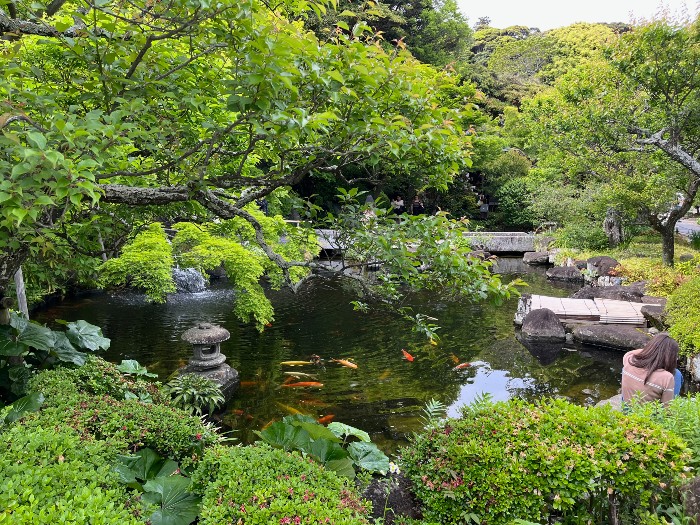
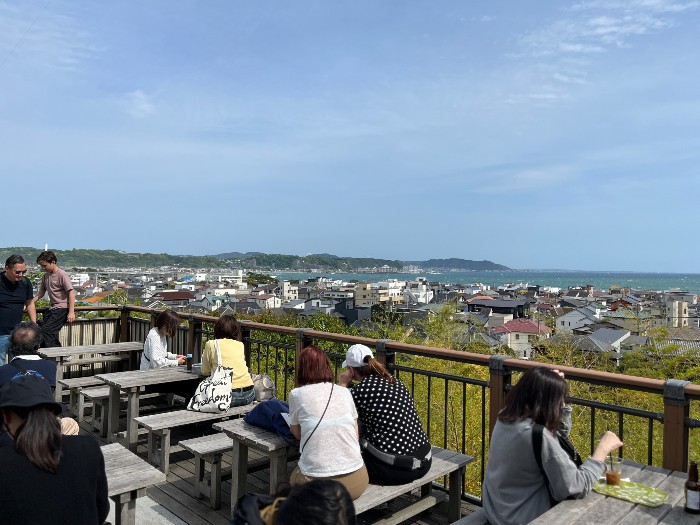
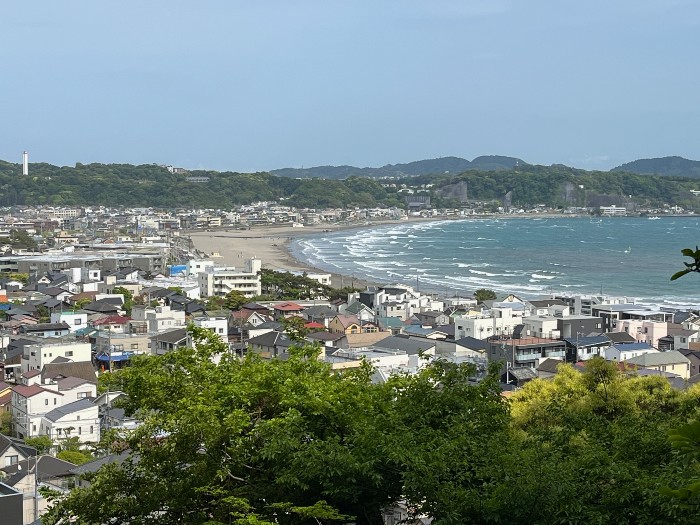
There is a small entrance fee, but it is well worth it. Right after you enter you will come upon a beautiful garden with koi pond. Take the steps up to the next level where you will encounter the main temple, and what looks like a sitting area where you can get a nice panoramic view of the surrounding area and the ocean. Take the next set of steps up the hillside to get a better view, and if you are there in June, soak in the gorgeous hydrangea hillside garden.
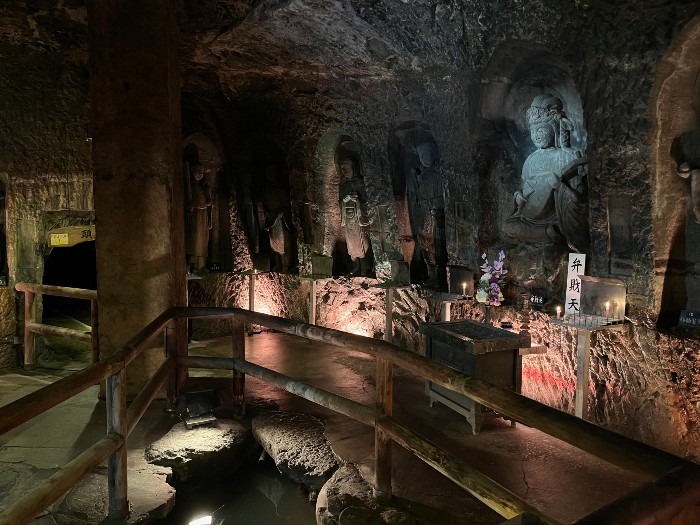
Next to Hase-dera to the far right of the main entrance is the Benten-kutsu cave, a historic, man-made cave with numerous statues of Benzaiten, the Buddhist goddess of music and wealth, and her 16 children. It is dimly lit inside, and will require you to stoop to get through to the cave exit. So if you have a bad back, you should probably skip it.
To get to Hase-dera, you can pick up the Enoden Line, a cute 4-car train, at Kamakura Station and get off at Hase Station. Beware that on weekends and holidays there may be a line to get on the train.
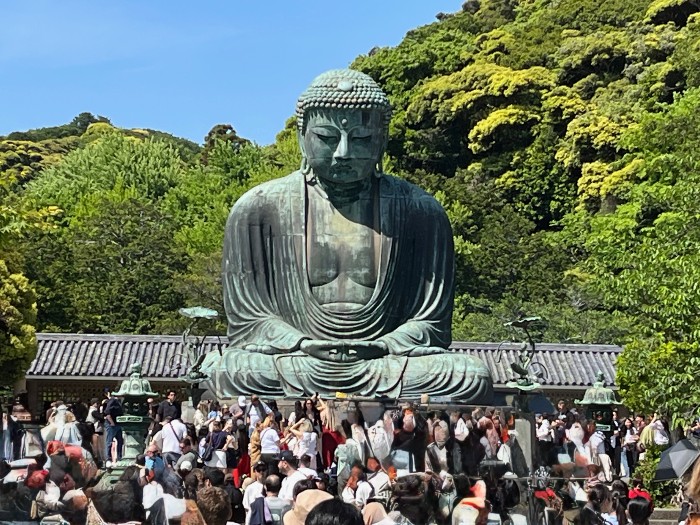
Lastly, there is Kotoku-in. Perhaps the most emblematic image of Kamakura to most people is the Great Buddha statue, or Kamakura Daibutsu (鎌倉大仏), located at Kotoku-in. The bronze statue was originally in a large wooden building, but natural disasters repeatedly destroyed it, and after the last one it was decided not to rebuild it. The statue was gilded many years ago; thin gold leaf covered the entire statue, but it eroded away over the centuries due to exposure to the elements.
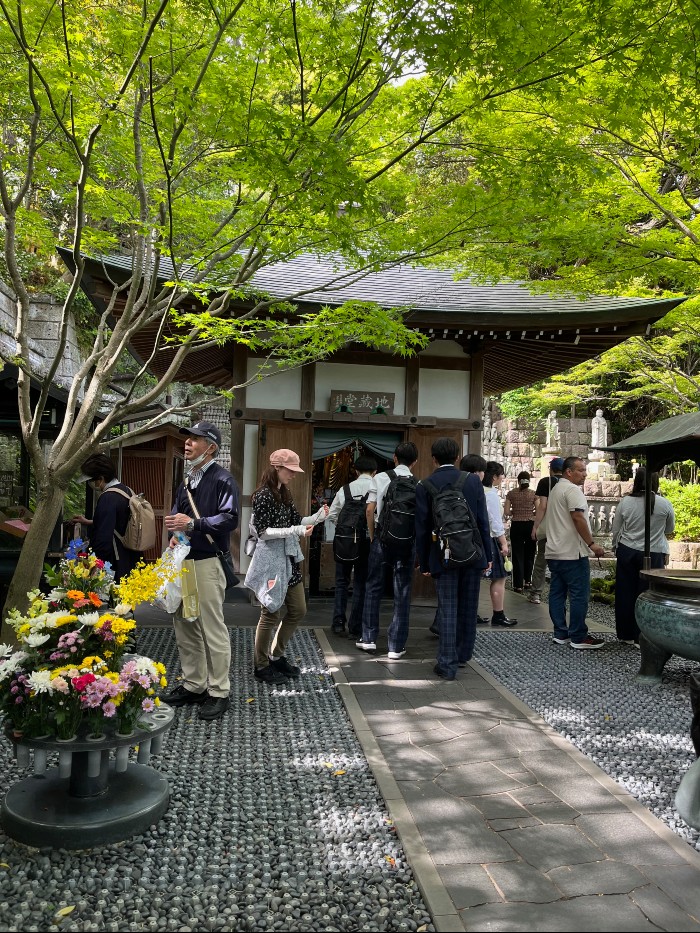
I visited Kotoku-in many years ago, before the advent of cell phone cameras, so I don't have any good pictures to share from that time. But, I went recently during Golden Week. It was so crowded!
So there you have it. With all that information you can start to explore Kamakura! Yeah, I know, a lot to remember, but I think knowing some of the background will enhance your experience when you visit. We've gone over the political impact of Kamakura, as well as its religious one. That does not mean Kamakura doesn't have anything for those of you who are looking for something else to do!
First of all there is Komachi-dori Shopping Street. It's entrance is just to the side of Kamakura Station - look for the red gate, or torii. There are plenty of restaurants, souvenir shops, and snack shops along this long pedestrian road leading towards Heike Pond and its sibling Genji Pond. There are even a few art galleries sprinkled along the roadside, and plenty of matcha ice cream shops. Komachi Street to me can be described as an understated Takeshita Street in Harajuku, Tokyo.
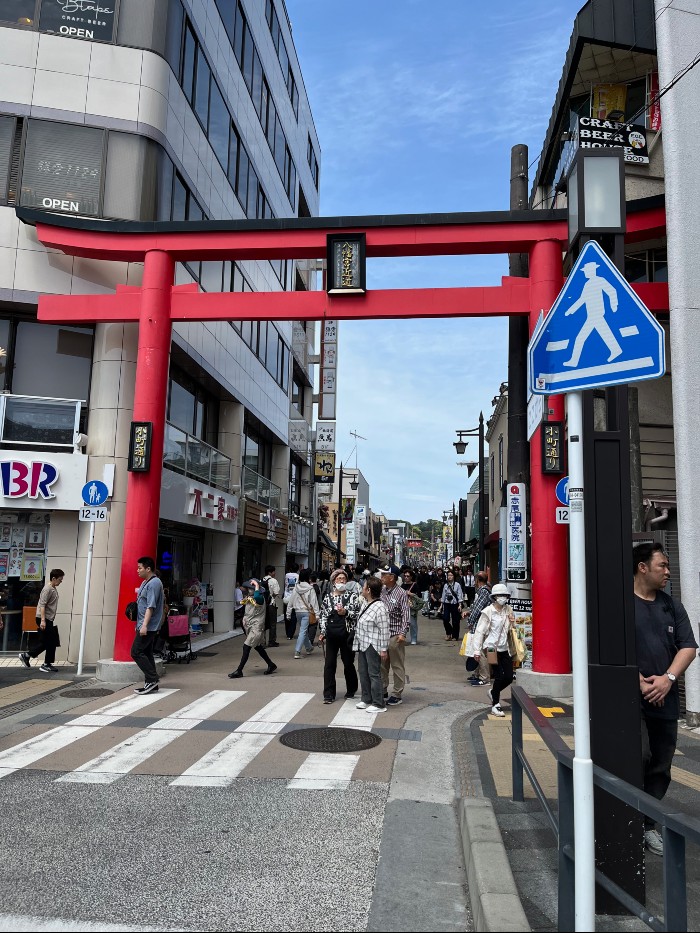
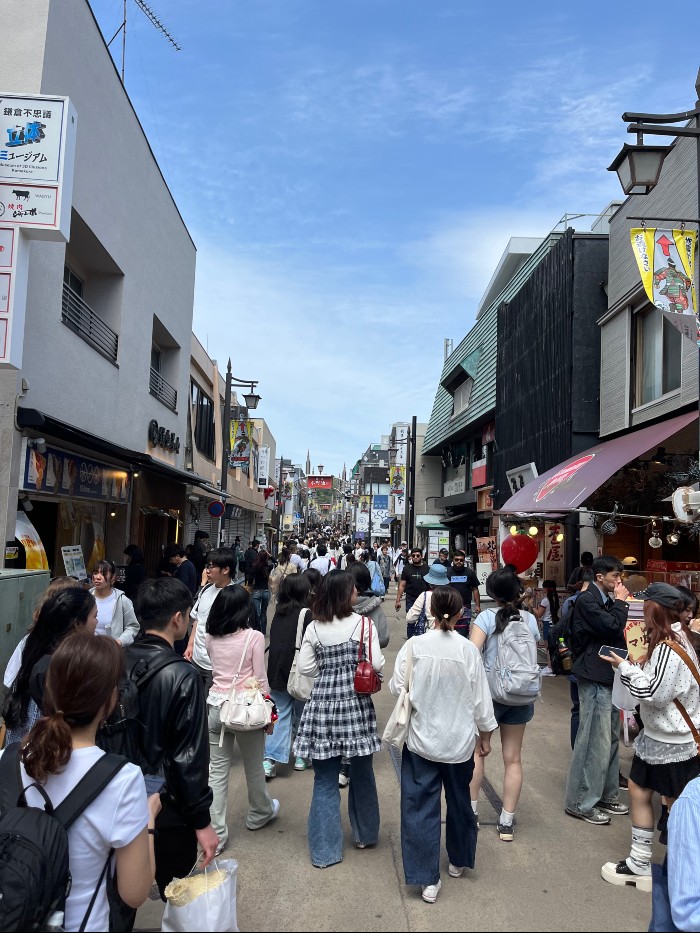
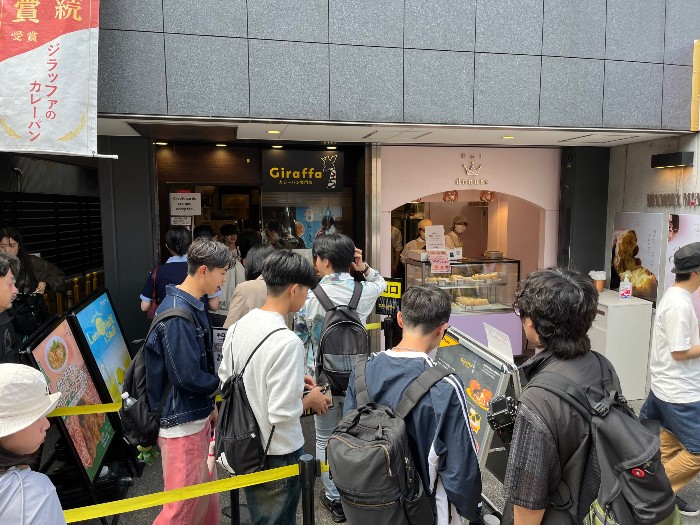
If you do walk as far as the ponds you will find a couple of museums that may be worth a visit. I confess I have not visited them yet but I will soon and add a little bit about them to this lesson too.
Ok, what else does Kamakura have to do? Well, the beach is a nice healthy walk away. Kamakura Yuigahama Beach is a popular spot for surfing! There are numerous surf schools, rentals, and bustling summer beach houses, with the best surf normally in late summer.
The beach boasts many cafes, restaurants, and bars, offering a vibrant scene, particularly in summer. We've visited a couple of restaurants in this area, and they were much better than expected for a beach town. I recall visiting one summer here and finding dozens of people playing beach volleyball.
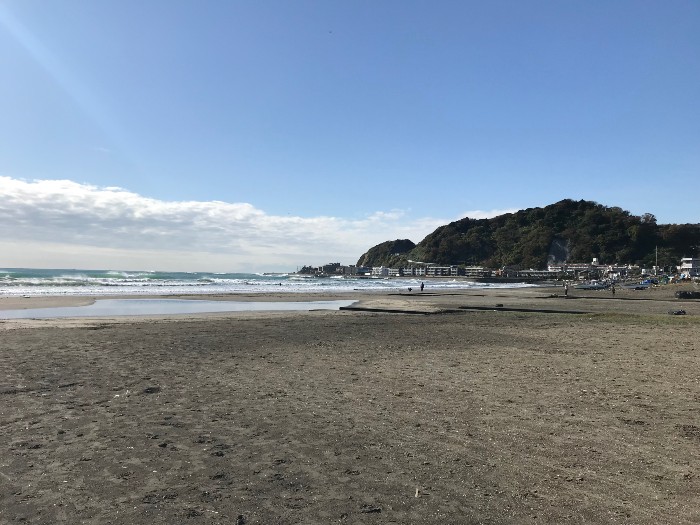
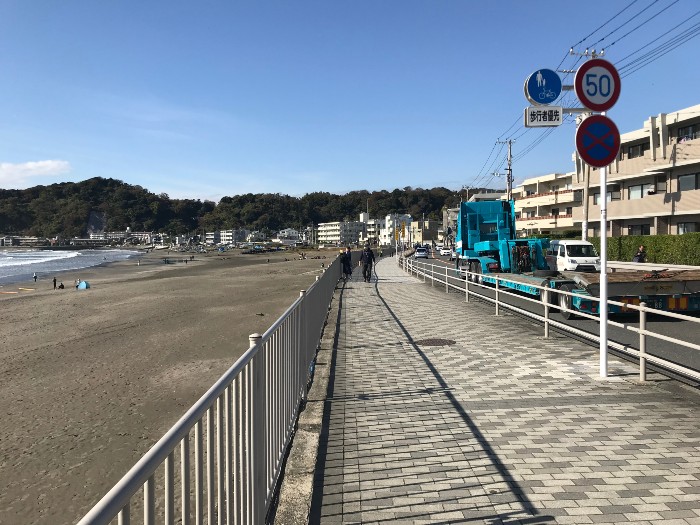
Well, you would probably agree that there is something for everybody in Kamakura, no? If you are visiting Tokyo I highly recommend taking a day to visit this historic and fun town by the sea.
Sources: Wikipedia, Five Temples Dictionary of Buddhism, kenchoji.com, Gemini AI
Pictures: Charlie
位置
単語
フラッシュカードドリル-
The administrative office was located in the city center.その行政中心地は市の中心部にあった。
-
This building served an administrative role in the castle complex.この建物は城郭群の行政中心地としての役割を果たしていた。
-
The emperor was sent into exile after the rebellion failed.その皇帝は反乱が失敗した後、流刑にされた。
-
He lived in exile for many years before returning home.彼は故郷に戻るまで何年も流刑生活を送った。
-
The regent ruled for the young emperor.摂政は若い天皇のために政務を行いました。
-
A regent often had great political power.摂政はしばしば大きな政治力を持っていました。
-
The escape triggered a massive uprising.その脱出が大規模な反乱を引き起こした。
-
The uprising changed the course of history.その反乱は歴史の流れを変えた。
-
Kenchō-ji is a famous Zen training monastery.建長寺は有名な禅宗の修行寺院だ。
-
The monastery sits quietly in the valley.その修行寺院は谷間に静かに建っている。
-
The street is a long pedestrian road.その通りは長い歩行者天国だ。
-
Pedestrian traffic is heavy on weekends.週末は歩行者の通行が多い。
-
The car hit a pedestrian in the crosswalk, killing him.車は横断歩道を渡っていた歩行者をはね、死亡させた。
-
One of the important religious sects protesting the new laws today is an offshoot of the Catholic Church.
-
The beach has a vibrant scene in summer.そのビーチは夏になると活気に満ちた雰囲気になる。
-
The market was vibrant and full of people.その市場は活気に満ち、人であふれていた。
-
The village was sacked and burned by the barbarians.その村は蛮族によって略奪され、焼き払われた。
-
Bring that sack to me boy. It has my life's possessions inside.その袋を持ってこい、坊や。中には俺の人生の全てが入っているんだ。
クイズ
このレッスンはいかがでしたか?
ご質問やご感想をお気軽にどうぞ。すべて目を通しています。