Social & Conversation
Social & Conversation covers idioms commonly used in casual interaction, friendly exchanges, social gatherings, and everyday conversation. These expressions help learners sound more natural when greeting people, making small talk, reacting to what others say, joining conversations, or handling common social situations.
 break the ice
To do or say something to relieve tension and get a conversation started in a social situation.
B1 · Eiken 2
break the ice
To do or say something to relieve tension and get a conversation started in a social situation.
B1 · Eiken 2
 hit it off
To like each other and become friendly very quickly.
Casual B2 · Eiken Pre-1
hit it off
To like each other and become friendly very quickly.
Casual B2 · Eiken Pre-1
 small talk
Light, casual conversation about unimportant things.
A2 · Eiken Pre-2
small talk
Light, casual conversation about unimportant things.
A2 · Eiken Pre-2
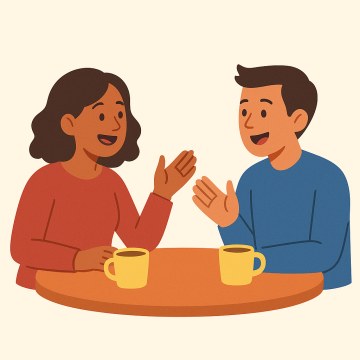 catch up
To exchange news with someone you have not seen for a while.
Casual B1 · Eiken 2
catch up
To exchange news with someone you have not seen for a while.
Casual B1 · Eiken 2
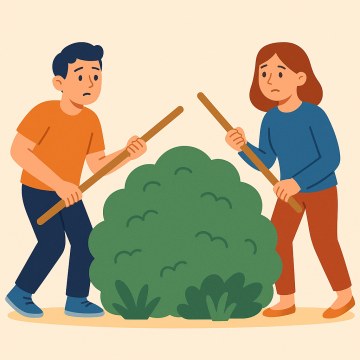 beat around the bush
To avoid talking about something directly.
B2 · Eiken Pre-1
beat around the bush
To avoid talking about something directly.
B2 · Eiken Pre-1
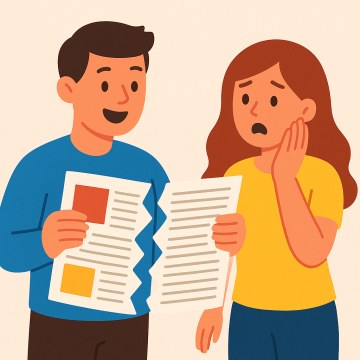 break the news
To tell someone about important, often unwelcome, news.
B2 · Eiken Pre-1
break the news
To tell someone about important, often unwelcome, news.
B2 · Eiken Pre-1
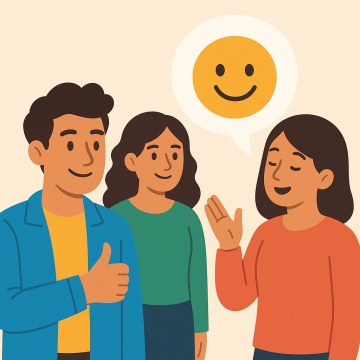 put in a good word
To say something positive about someone to help them.
B2 · Eiken Pre-1
put in a good word
To say something positive about someone to help them.
B2 · Eiken Pre-1
 on the same page
In agreement or sharing the same understanding.
B1 · Eiken 2
on the same page
In agreement or sharing the same understanding.
B1 · Eiken 2
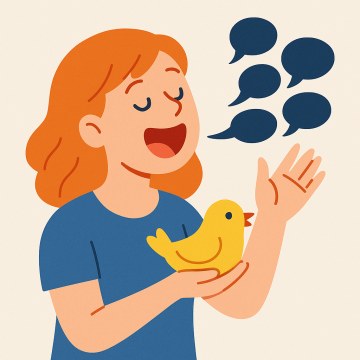 a chatterbox
A person who talks a great deal.
Casual B1 · Eiken 2
a chatterbox
A person who talks a great deal.
Casual B1 · Eiken 2
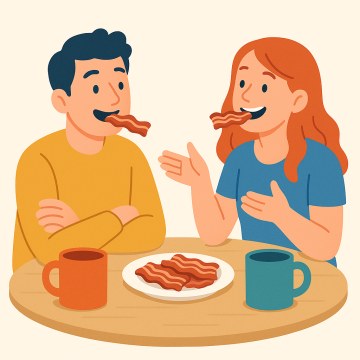 chew the fat
To chat in a relaxed, friendly way for a long time.
Casual C1 · Eiken 1
chew the fat
To chat in a relaxed, friendly way for a long time.
Casual C1 · Eiken 1
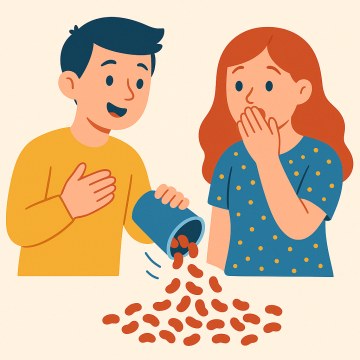 spill the beans
To reveal a secret, often by accident.
Casual B2 · Eiken Pre-1
spill the beans
To reveal a secret, often by accident.
Casual B2 · Eiken Pre-1
 strike up a conversation
To start talking with someone, often a stranger.
B2 · Eiken Pre-1
strike up a conversation
To start talking with someone, often a stranger.
B2 · Eiken Pre-1
Emotions & Feelings
Emotions & Feelings covers idioms used to describe moods, reactions, attitudes, and emotional states. These expressions help learners talk more naturally about being happy, upset, nervous, excited, angry, surprised, disappointed, or emotionally affected by a situation.
 over the moon
Extremely happy and delighted.
Casual B1 · Eiken 2
over the moon
Extremely happy and delighted.
Casual B1 · Eiken 2
 down in the dumps
Feeling sad or depressed.
Casual B2 · Eiken Pre-1
down in the dumps
Feeling sad or depressed.
Casual B2 · Eiken Pre-1
 on cloud nine
Extremely happy; blissful.
Casual B2 · Eiken Pre-1
on cloud nine
Extremely happy; blissful.
Casual B2 · Eiken Pre-1
 butterflies in your stomach
A nervous, fluttery feeling before something important.
Casual B1 · Eiken 2
butterflies in your stomach
A nervous, fluttery feeling before something important.
Casual B1 · Eiken 2
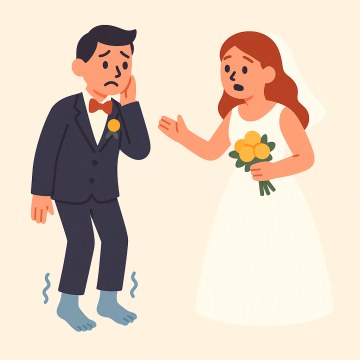 get cold feet
To suddenly become too nervous to do something you had planned.
Casual B2 · Eiken Pre-1
get cold feet
To suddenly become too nervous to do something you had planned.
Casual B2 · Eiken Pre-1
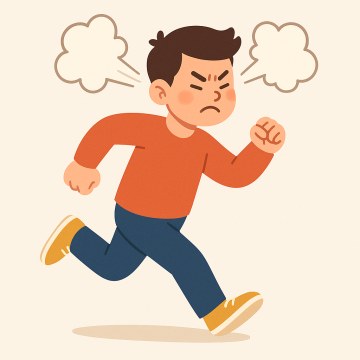 blow off steam
To release pent-up energy or anger in a harmless way.
Casual B2 · Eiken Pre-1
blow off steam
To release pent-up energy or anger in a harmless way.
Casual B2 · Eiken Pre-1
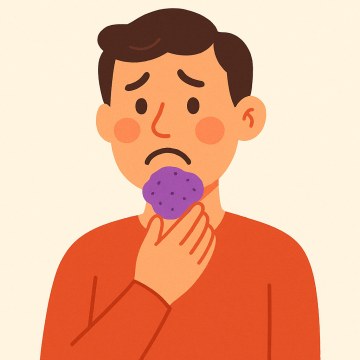 a lump in your throat
A tight feeling in the throat caused by strong emotion.
B2 · Eiken Pre-1
a lump in your throat
A tight feeling in the throat caused by strong emotion.
B2 · Eiken Pre-1
 mixed feelings
A combination of different, often opposite, emotions about something.
B1 · Eiken 2
mixed feelings
A combination of different, often opposite, emotions about something.
B1 · Eiken 2
 bite your tongue
To stop yourself from saying something you want to say.
B2 · Eiken Pre-1
bite your tongue
To stop yourself from saying something you want to say.
B2 · Eiken Pre-1
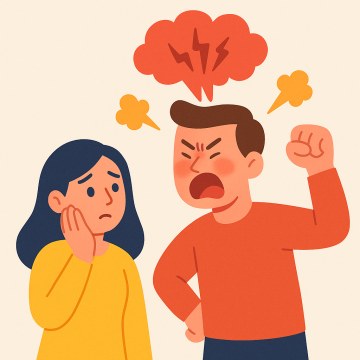 lose your temper
To suddenly become very angry.
B1 · Eiken 2
lose your temper
To suddenly become very angry.
B1 · Eiken 2
 jump for joy
To be extremely happy and excited.
Casual A2 · Eiken Pre-2
jump for joy
To be extremely happy and excited.
Casual A2 · Eiken Pre-2
 scared stiff
So frightened that you cannot move.
Casual B2 · Eiken Pre-1
scared stiff
So frightened that you cannot move.
Casual B2 · Eiken Pre-1
Work & Career
Work & Career covers idioms commonly used in jobs, workplaces, professional development, and career situations. These expressions may describe responsibilities, teamwork, effort, pressure, promotion, job performance, workplace relationships, and changes in employment or career direction.
 get the ball rolling
To start an activity or process.
B2 · Eiken Pre-1
get the ball rolling
To start an activity or process.
B2 · Eiken Pre-1
 think outside the box
To think in a creative way, free from conventional ideas.
B2 · Eiken Pre-1
think outside the box
To think in a creative way, free from conventional ideas.
B2 · Eiken Pre-1
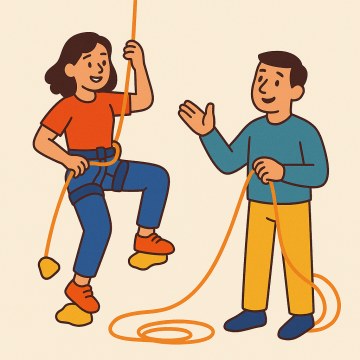 learn the ropes
To learn how to do a particular job or task.
B2 · Eiken Pre-1
learn the ropes
To learn how to do a particular job or task.
B2 · Eiken Pre-1
 go the extra mile
To make more effort than is expected of you.
B2 · Eiken Pre-1
go the extra mile
To make more effort than is expected of you.
B2 · Eiken Pre-1
 burn the midnight oil
To work or study late into the night.
B2 · Eiken Pre-1
burn the midnight oil
To work or study late into the night.
B2 · Eiken Pre-1
 climb the corporate ladder
To advance to higher positions in a company.
B2 · Eiken Pre-1
climb the corporate ladder
To advance to higher positions in a company.
B2 · Eiken Pre-1
 call it a day
To decide to stop working for the day.
Casual B1 · Eiken 2
call it a day
To decide to stop working for the day.
Casual B1 · Eiken 2
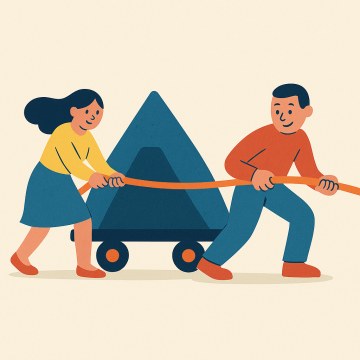 pull your weight
To do your fair share of the work.
B2 · Eiken Pre-1
pull your weight
To do your fair share of the work.
B2 · Eiken Pre-1
 have a lot on your plate
To have a great deal of work or many responsibilities to deal with.
Casual B2 · Eiken Pre-1
have a lot on your plate
To have a great deal of work or many responsibilities to deal with.
Casual B2 · Eiken Pre-1
 cut corners
To do something in the cheapest or easiest way, often reducing quality.
B2 · Eiken Pre-1
cut corners
To do something in the cheapest or easiest way, often reducing quality.
B2 · Eiken Pre-1
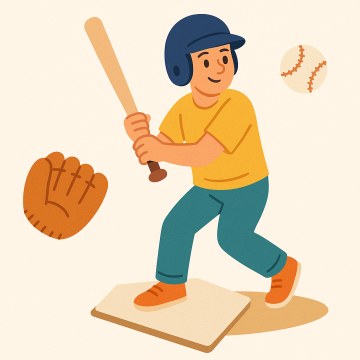 step up to the plate
To take responsibility and deal with a difficult task.
C1 · Eiken 1
step up to the plate
To take responsibility and deal with a difficult task.
C1 · Eiken 1
 in the same boat
In the same difficult situation as other people.
B1 · Eiken 2
in the same boat
In the same difficult situation as other people.
B1 · Eiken 2
Money & Business
Money & Business covers idioms related to spending, saving, earning, investing, buying, selling, and making business decisions. These expressions also include common ways of talking about profit, loss, value, financial risk, negotiation, and commercial success.
 cost an arm and a leg
To be very expensive.
Casual B2 · Eiken Pre-1
cost an arm and a leg
To be very expensive.
Casual B2 · Eiken Pre-1
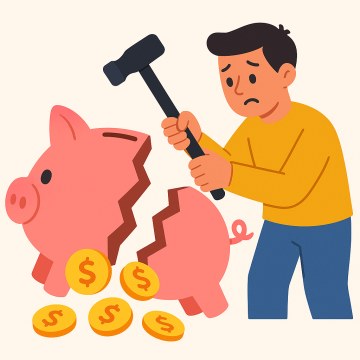 break the bank
To cost more money than you can afford.
Casual B2 · Eiken Pre-1
break the bank
To cost more money than you can afford.
Casual B2 · Eiken Pre-1
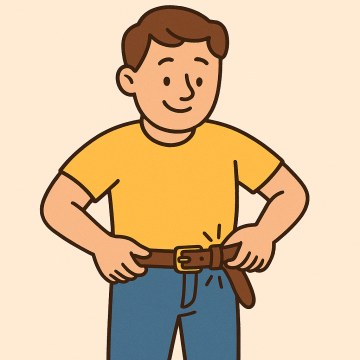 tighten your belt
To spend less money because you have less of it.
B2 · Eiken Pre-1
tighten your belt
To spend less money because you have less of it.
B2 · Eiken Pre-1
 make ends meet
To have just enough money to cover your needs.
B2 · Eiken Pre-1
make ends meet
To have just enough money to cover your needs.
B2 · Eiken Pre-1
 a rip-off
Something that is far too expensive for what it is.
Casual B1 · Eiken 2
a rip-off
Something that is far too expensive for what it is.
Casual B1 · Eiken 2
 foot the bill
To pay for something, especially something expensive.
B2 · Eiken Pre-1
foot the bill
To pay for something, especially something expensive.
B2 · Eiken Pre-1
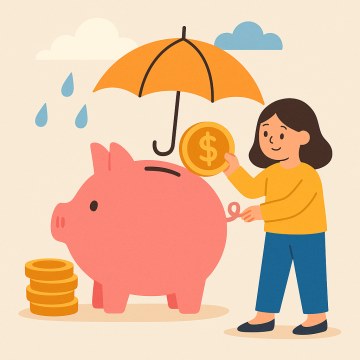 save for a rainy day
To save money for a time when it may be needed.
B2 · Eiken Pre-1
save for a rainy day
To save money for a time when it may be needed.
B2 · Eiken Pre-1
 in the red
Owing money; operating at a loss.
B2 · Eiken Pre-1
in the red
Owing money; operating at a loss.
B2 · Eiken Pre-1
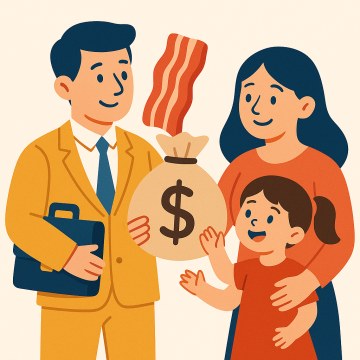 bring home the bacon
To earn money to support your family.
Casual C1 · Eiken 1
bring home the bacon
To earn money to support your family.
Casual C1 · Eiken 1
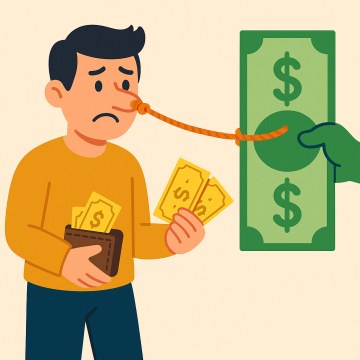 pay through the nose
To pay much more than something is worth.
Casual C1 · Eiken 1
pay through the nose
To pay much more than something is worth.
Casual C1 · Eiken 1
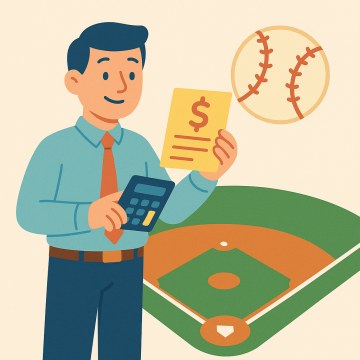 a ballpark figure
A rough estimate of a number or amount.
C1 · Eiken 1
a ballpark figure
A rough estimate of a number or amount.
C1 · Eiken 1
 seal the deal
To finalize an agreement or arrangement.
B2 · Eiken Pre-1
seal the deal
To finalize an agreement or arrangement.
B2 · Eiken Pre-1
Time & Urgency
Time & Urgency covers idioms used to talk about schedules, deadlines, delays, speed, waiting, and the pressure to act quickly. These expressions help learners describe whether something is early, late, rushed, overdue, well timed, or happening at the last possible moment.
 in the nick of time
At the last possible moment, just before it is too late.
B2 · Eiken Pre-1
in the nick of time
At the last possible moment, just before it is too late.
B2 · Eiken Pre-1
 beat the clock
To finish something before a time limit.
B2 · Eiken Pre-1
beat the clock
To finish something before a time limit.
B2 · Eiken Pre-1
 against the clock
Under time pressure, rushing to meet a deadline.
B2 · Eiken Pre-1
against the clock
Under time pressure, rushing to meet a deadline.
B2 · Eiken Pre-1
 call it a night
To stop an activity for the evening and go to bed or home.
Casual B1 · Eiken 2
call it a night
To stop an activity for the evening and go to bed or home.
Casual B1 · Eiken 2
 around the clock
All day and all night without stopping.
B2 · Eiken Pre-1
around the clock
All day and all night without stopping.
B2 · Eiken Pre-1
 in the long run
Over a long period of time; eventually.
B1 · Eiken 2
in the long run
Over a long period of time; eventually.
B1 · Eiken 2
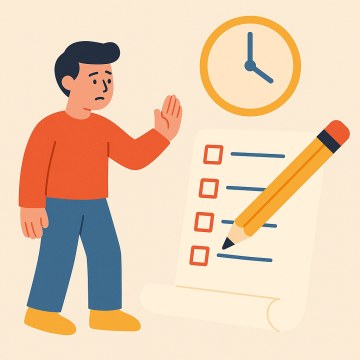 put something off
To delay or postpone something.
B1 · Eiken 2
put something off
To delay or postpone something.
B1 · Eiken 2
 a race against time
A situation where you must do something quickly before it is too late.
B2 · Eiken Pre-1
a race against time
A situation where you must do something quickly before it is too late.
B2 · Eiken Pre-1
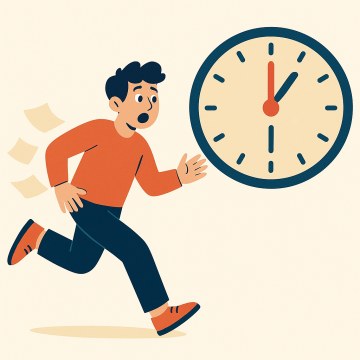 the eleventh hour
The last possible moment before a deadline.
C1 · Eiken 1
the eleventh hour
The last possible moment before a deadline.
C1 · Eiken 1
 kill time
To spend time doing something unimportant while waiting.
Casual B1 · Eiken 2
kill time
To spend time doing something unimportant while waiting.
Casual B1 · Eiken 2
 take a rain check
To politely decline an offer now, suggesting you accept it another time.
Casual C1 · Eiken 1
take a rain check
To politely decline an offer now, suggesting you accept it another time.
Casual C1 · Eiken 1
 time flies
Time seems to pass very quickly.
Casual A2 · Eiken Pre-2
time flies
Time seems to pass very quickly.
Casual A2 · Eiken Pre-2
Success & Failure
Success & Failure covers idioms used to describe achievement, progress, mistakes, setbacks, good results, and disappointing outcomes. These expressions help learners talk naturally about reaching goals, overcoming difficulties, doing well, falling short, or trying again after a failure.
 hit the nail on the head
To describe exactly what is causing a situation or problem.
B2 · Eiken Pre-1
hit the nail on the head
To describe exactly what is causing a situation or problem.
B2 · Eiken Pre-1
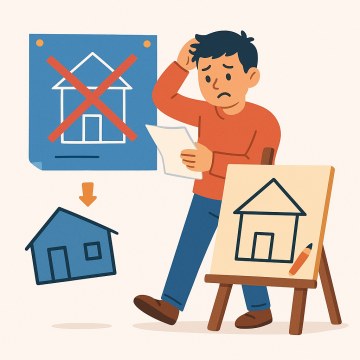 go back to the drawing board
To start again from the beginning after a failure.
B2 · Eiken Pre-1
go back to the drawing board
To start again from the beginning after a failure.
B2 · Eiken Pre-1
 pass with flying colors
To succeed at something very easily and impressively.
B2 · Eiken Pre-1
pass with flying colors
To succeed at something very easily and impressively.
B2 · Eiken Pre-1
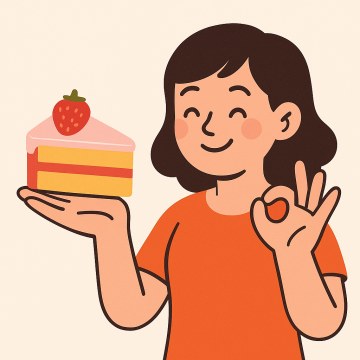 a piece of cake
Something very easy to do.
Casual A2 · Eiken Pre-2
a piece of cake
Something very easy to do.
Casual A2 · Eiken Pre-2
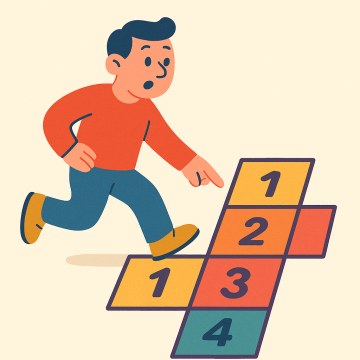 back to square one
Back to the very beginning, with no progress made.
B2 · Eiken Pre-1
back to square one
Back to the very beginning, with no progress made.
B2 · Eiken Pre-1
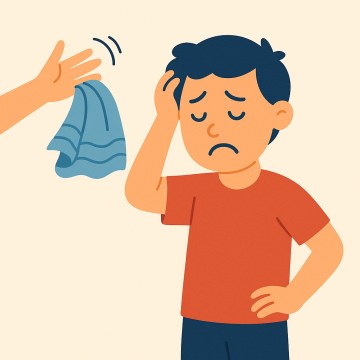 throw in the towel
To give up or admit defeat.
Casual B2 · Eiken Pre-1
throw in the towel
To give up or admit defeat.
Casual B2 · Eiken Pre-1
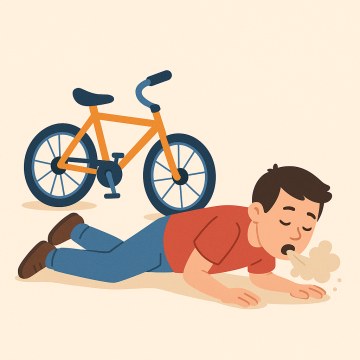 bite the dust
To fail, break down, or come to an end.
Casual C1 · Eiken 1
bite the dust
To fail, break down, or come to an end.
Casual C1 · Eiken 1
 get off the ground
To start successfully and begin to make progress.
B2 · Eiken Pre-1
get off the ground
To start successfully and begin to make progress.
B2 · Eiken Pre-1
 miss the boat
To miss an opportunity by being too slow to act.
Casual B2 · Eiken Pre-1
miss the boat
To miss an opportunity by being too slow to act.
Casual B2 · Eiken Pre-1
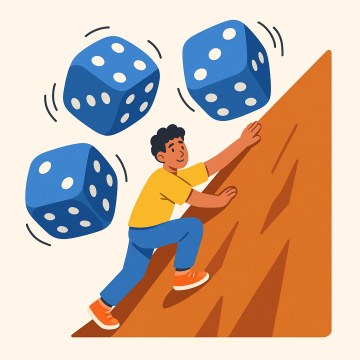 against all odds
Despite very little chance of success.
B2 · Eiken Pre-1
against all odds
Despite very little chance of success.
B2 · Eiken Pre-1
 come out on top
To win or succeed after a competition or difficulty.
B2 · Eiken Pre-1
come out on top
To win or succeed after a competition or difficulty.
B2 · Eiken Pre-1
 blow it
To lose or waste a good opportunity by making a mistake.
Casual B2 · Eiken Pre-1
blow it
To lose or waste a good opportunity by making a mistake.
Casual B2 · Eiken Pre-1
Communication & Opinions
Communication & Opinions covers idioms used when expressing ideas, giving opinions, agreeing or disagreeing, explaining something, persuading others, or reacting to what someone has said. These expressions help learners participate more naturally in discussions and communicate their views clearly.
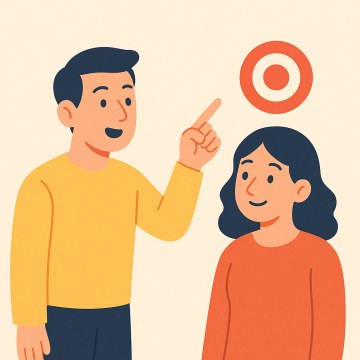 get straight to the point
To speak about the most important matter directly, without delay.
B1 · Eiken 2
get straight to the point
To speak about the most important matter directly, without delay.
B1 · Eiken 2
 see eye to eye
To agree completely with someone.
B2 · Eiken Pre-1
see eye to eye
To agree completely with someone.
B2 · Eiken Pre-1
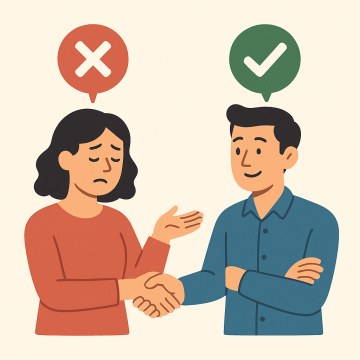 agree to disagree
To accept that you and another person have different opinions and stop arguing.
B2 · Eiken Pre-1
agree to disagree
To accept that you and another person have different opinions and stop arguing.
B2 · Eiken Pre-1
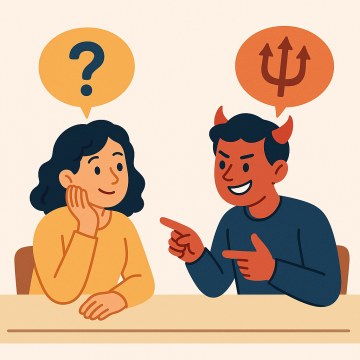 play devil's advocate
To argue against an idea, not because you disagree, but to test it.
C1 · Eiken 1
play devil's advocate
To argue against an idea, not because you disagree, but to test it.
C1 · Eiken 1
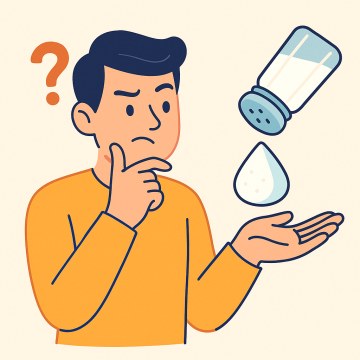 take it with a grain of salt
To not completely believe something; to be skeptical.
C1 · Eiken 1
take it with a grain of salt
To not completely believe something; to be skeptical.
C1 · Eiken 1
 speak your mind
To say clearly and openly what you think.
B2 · Eiken Pre-1
speak your mind
To say clearly and openly what you think.
B2 · Eiken Pre-1
 read between the lines
To understand a meaning that is not stated directly.
B2 · Eiken Pre-1
read between the lines
To understand a meaning that is not stated directly.
B2 · Eiken Pre-1
 get the wrong end of the stick
To misunderstand a situation or something someone said.
Casual C1 · Eiken 1
get the wrong end of the stick
To misunderstand a situation or something someone said.
Casual C1 · Eiken 1
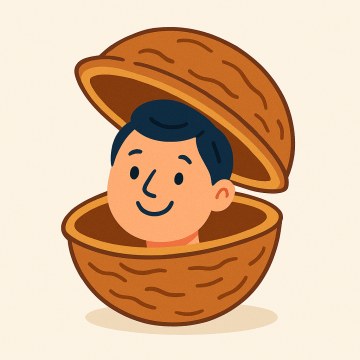 in a nutshell
In a few words; briefly.
B2 · Eiken Pre-1
in a nutshell
In a few words; briefly.
B2 · Eiken Pre-1
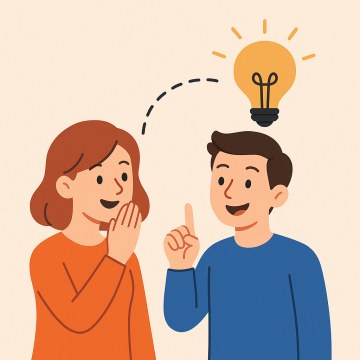 drop a hint
To suggest something in an indirect way.
Casual B2 · Eiken Pre-1
drop a hint
To suggest something in an indirect way.
Casual B2 · Eiken Pre-1
 have the last word
To make the final statement or decision in an argument.
B2 · Eiken Pre-1
have the last word
To make the final statement or decision in an argument.
B2 · Eiken Pre-1
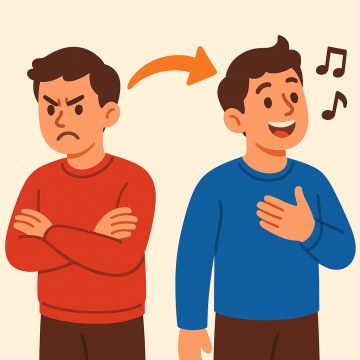 change your tune
To change your opinion or attitude, especially to the opposite.
Casual C1 · Eiken 1
change your tune
To change your opinion or attitude, especially to the opposite.
Casual C1 · Eiken 1
Relationships
Relationships covers idioms used to describe friendships, family connections, romantic relationships, cooperation, conflict, trust, and how people get along with one another. These expressions help learners talk about closeness, tension, support, disagreement, and changes in personal relationships.
 get along with
To have a friendly relationship with someone.
A2 · Eiken Pre-2
get along with
To have a friendly relationship with someone.
A2 · Eiken Pre-2
 break up
To end a romantic relationship.
Casual A2 · Eiken Pre-2
break up
To end a romantic relationship.
Casual A2 · Eiken Pre-2
 tie the knot
To get married.
Casual B2 · Eiken Pre-1
tie the knot
To get married.
Casual B2 · Eiken Pre-1
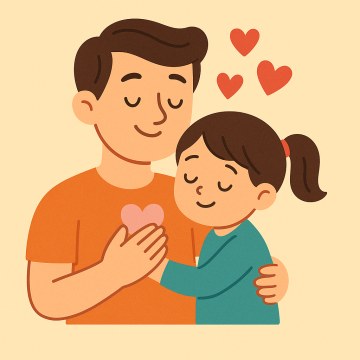 have a soft spot for
To feel special affection or fondness for someone or something.
Casual B2 · Eiken Pre-1
have a soft spot for
To feel special affection or fondness for someone or something.
Casual B2 · Eiken Pre-1
 on good terms
Having a friendly relationship with someone.
B2 · Eiken Pre-1
on good terms
Having a friendly relationship with someone.
B2 · Eiken Pre-1
 give someone the cold shoulder
To treat someone in an unfriendly or dismissive way.
Casual B2 · Eiken Pre-1
give someone the cold shoulder
To treat someone in an unfriendly or dismissive way.
Casual B2 · Eiken Pre-1
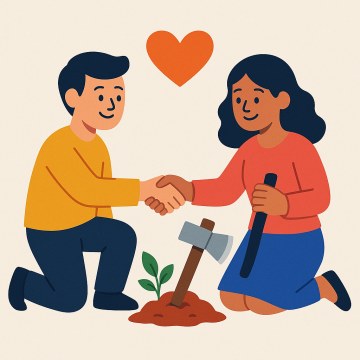 bury the hatchet
To make peace and end a quarrel or disagreement.
C1 · Eiken 1
bury the hatchet
To make peace and end a quarrel or disagreement.
C1 · Eiken 1
 keep in touch
To stay in regular contact with someone.
A2 · Eiken Pre-2
keep in touch
To stay in regular contact with someone.
A2 · Eiken Pre-2
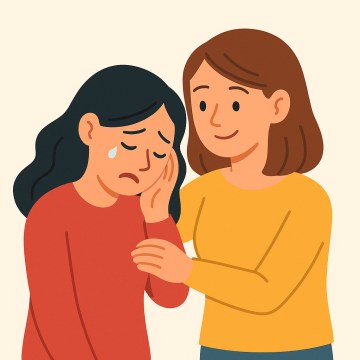 a shoulder to cry on
A person who gives you sympathy and support when you are upset.
B2 · Eiken Pre-1
a shoulder to cry on
A person who gives you sympathy and support when you are upset.
B2 · Eiken Pre-1
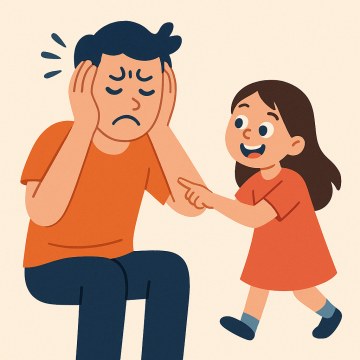 get on someone's nerves
To annoy or irritate someone.
Casual B2 · Eiken Pre-1
get on someone's nerves
To annoy or irritate someone.
Casual B2 · Eiken Pre-1
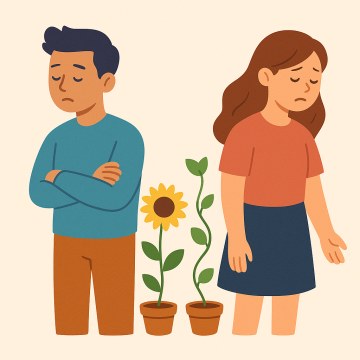 grow apart
To gradually become less close to someone over time.
B2 · Eiken Pre-1
grow apart
To gradually become less close to someone over time.
B2 · Eiken Pre-1
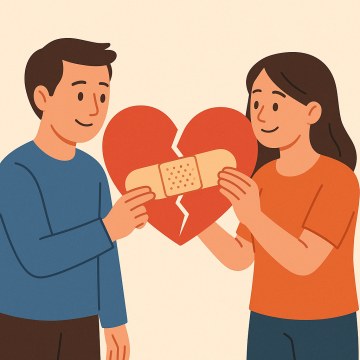 patch things up
To repair a relationship after a quarrel.
Casual B2 · Eiken Pre-1
patch things up
To repair a relationship after a quarrel.
Casual B2 · Eiken Pre-1
Everyday Situations
Everyday Situations covers idioms that appear in common daily experiences and do not fit neatly into a more specific category. These expressions may relate to home life, errands, travel, shopping, minor problems, routines, decisions, and other situations people regularly encounter.
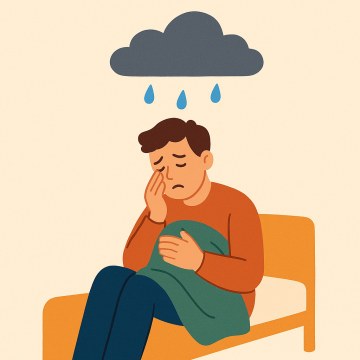 under the weather
Feeling slightly ill.
Casual B1 · Eiken 2
under the weather
Feeling slightly ill.
Casual B1 · Eiken 2
 hit the sack
To go to bed.
Casual B1 · Eiken 2
hit the sack
To go to bed.
Casual B1 · Eiken 2
 once in a blue moon
Very rarely.
Casual B2 · Eiken Pre-1
once in a blue moon
Very rarely.
Casual B2 · Eiken Pre-1
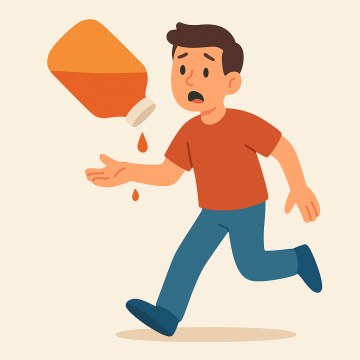 run out of
To use up all of something so that none is left.
A2 · Eiken Pre-2
run out of
To use up all of something so that none is left.
A2 · Eiken Pre-2
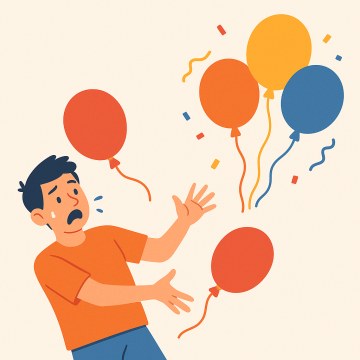 get out of hand
To become difficult or impossible to control.
B2 · Eiken Pre-1
get out of hand
To become difficult or impossible to control.
B2 · Eiken Pre-1
 a rule of thumb
A practical, approximate rule based on experience.
A rule of thumb originated in 17th century England at a time when quantities were measured by comparison to the width or length of a thumb.
B2 · Eiken Pre-1
a rule of thumb
A practical, approximate rule based on experience.
A rule of thumb originated in 17th century England at a time when quantities were measured by comparison to the width or length of a thumb.
B2 · Eiken Pre-1
 right under your nose
Very close to you but not noticed.
Casual B2 · Eiken Pre-1
right under your nose
Very close to you but not noticed.
Casual B2 · Eiken Pre-1
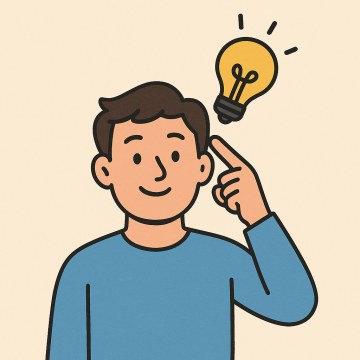 off the top of your head
From memory, without checking or careful thought.
Casual C1 · Eiken 1
off the top of your head
From memory, without checking or careful thought.
Casual C1 · Eiken 1
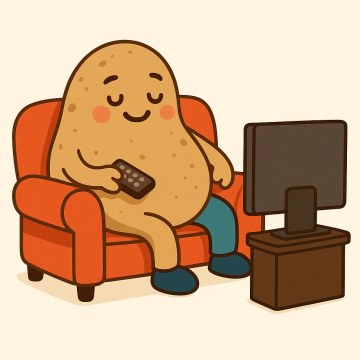 a couch potato
A person who is lazy and watches a lot of television.
Casual B1 · Eiken 2
a couch potato
A person who is lazy and watches a lot of television.
Casual B1 · Eiken 2
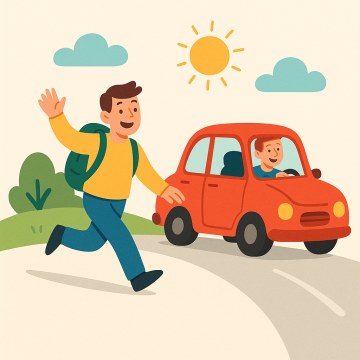 hit the road
To leave and begin a journey.
Casual B1 · Eiken 2
hit the road
To leave and begin a journey.
Casual B1 · Eiken 2
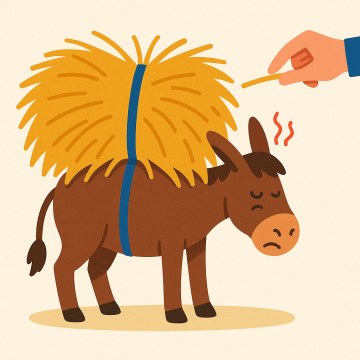 the last straw
The final small problem that makes a situation unbearable.
B2 · Eiken Pre-1
the last straw
The final small problem that makes a situation unbearable.
B2 · Eiken Pre-1
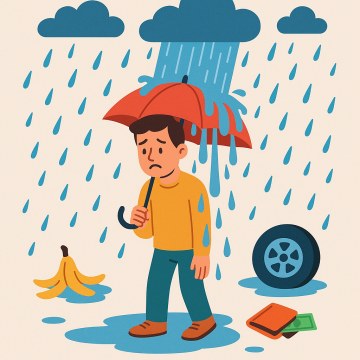 when it rains, it pours
When one bad thing happens, many bad things tend to happen at once.
C1 · Eiken 1
when it rains, it pours
When one bad thing happens, many bad things tend to happen at once.
C1 · Eiken 1
No matching idioms.